Insurers risk underestimating climate losses as pressure to lower forecasts grows
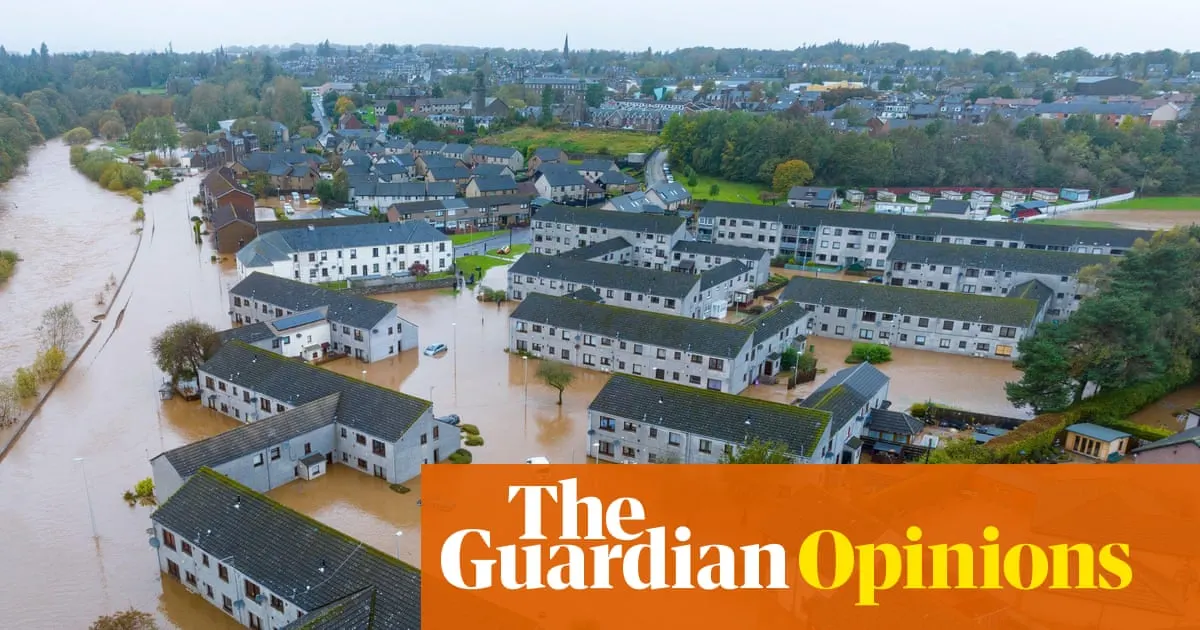
An anonymous risk modeller at a major insurer says pressure to lower projected losses from extreme weather is leading parts of the insurance industry to underestimate climate risks. The author argues that pricing policies below their expected risk may make cover seem more affordable now, but could leave insurers and customers exposed when disasters strike.
The article points to climate-linked threats including floods, wildfires, drought, rising seas and subsidence, which can make homes and businesses harder to insure. Policies may exclude specific damage, while communities can lose investment and economic activity as insurers withdraw. The author warns that a major disaster could leave insurers unable to meet all claims, with knock-on effects for businesses, housing and banks.
- An insurer’s modeller says climate losses are being underpriced.
- Cheap policies may leave customers exposed to exclusions.
- A major disaster could strain insurers and the wider economy.
New here? Start with this
Insurers estimate how likely different types of damage are and use those estimates to set premiums and decide what cover to offer. Climate change is affecting risks such as flooding, wildfires, drought, rising seas and subsidence, though the likely losses vary by place and type of property.
If premiums do not reflect the expected cost of claims, cover may appear cheaper in the short term, but insurers could face larger losses after a disaster. Some policies exclude particular kinds of damage, and insurers may stop offering cover in places they consider too risky.
When cover becomes scarce or costly, households and businesses can struggle to protect property or secure finance. Large losses could also affect insurers’ ability to pay claims, with wider consequences for communities, businesses and banks.
Both sides, in good faith
The strongest fair case each way — we don't pick a winner.
The case for
Insurers need to reflect the best available evidence on climate-related losses in their prices and reserves, because understated risks can leave them unable to pay claims after a major disaster. Accurate pricing can also signal where homes and businesses are becoming harder to protect, helping customers, lenders and communities prepare for growing exposure.
The case against
Forecasts of future climate losses are uncertain, and pricing every plausible worst case into policies could make cover unaffordable or unavailable before risks are fully understood. Insurers can argue for measured assumptions, transparent uncertainty and adaptation-focused measures, so households and businesses are not priced out while the industry improves its evidence and resilience.
Americas Business Climate Government Politics Science World
Read the full article at the source →
Originally published by The Guardian as “I work for a major insurer. Much of my industry is fudging the numbers in the face of the climate crisis | Anonymous”.