Copenhagen beekeepers use honey to challenge ideas about work and value
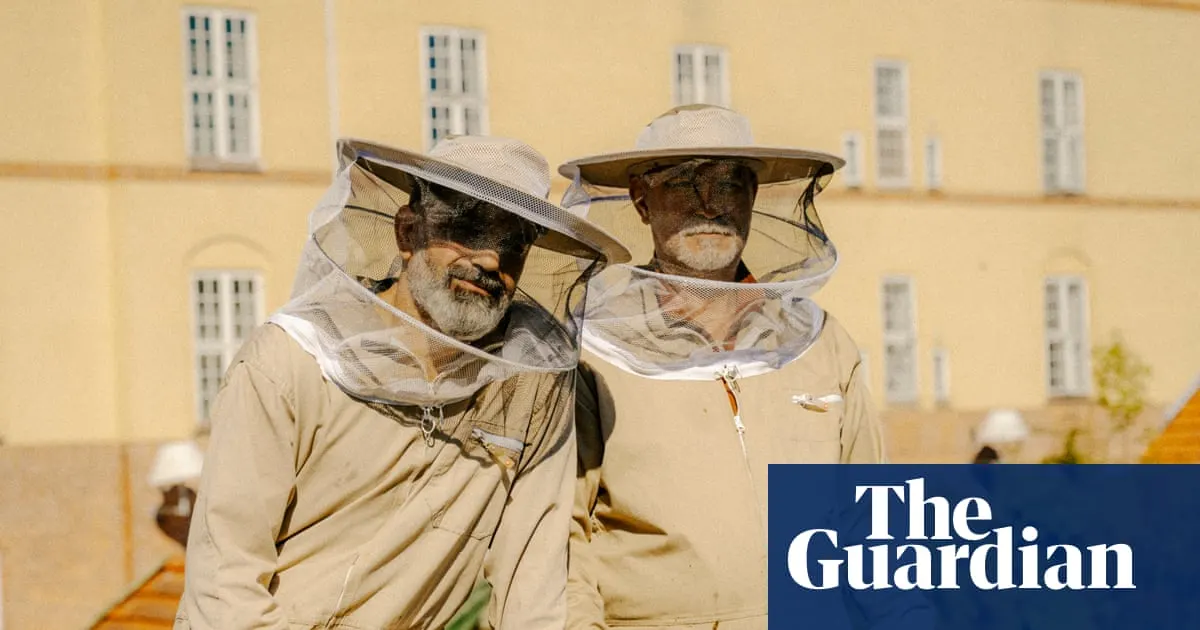
Bybi is a Copenhagen beekeeping collective that uses honey-making to bring people together and question how work and value are organised. Its founder, Oliver Maxwell, says the original plan to employ homeless and other marginalised people and help them re-enter society failed because the lower end of the jobs market has collapsed, while people face growing loneliness and a loss of purpose.
The group has 80 to 100 colonies across the city and produces four to six tonnes of honey a year, with a core team of 15 and 40 to 50 volunteers involved over the course of a year. It gives honey away, sells it through delicatessens, lets customers choose the price or invites group bidding, treating each jar as a way to encourage shared responsibility for community and nature.
- Copenhagen’s Bybi uses beekeeping to build community.
- It makes four to six tonnes of honey annually.
- Its founder questions whether market-based work can create social value.
New here? Start with this
Bybi is a Copenhagen beekeeping collective founded by Oliver Maxwell. It keeps dozens of bee colonies around the city and involves a small core team alongside volunteers.
The group began with the aim of employing people facing homelessness or other barriers to work, but Maxwell says that plan did not succeed as jobs at the lower end of the market became harder to find. Bybi now uses its honey to bring people together and prompt discussion about loneliness, purpose and how work is valued.
The collective gives some honey away and sells some through delicatessens, sometimes allowing buyers to choose the price or bid as a group. These approaches are intended to encourage people to think about their shared responsibilities to one another and to nature.
Both sides, in good faith
The strongest fair case each way — we don't pick a winner.
The case for
Bybi’s approach offers a thoughtful response to loneliness and the loss of purpose by bringing people together around shared work and care for nature. Letting customers set or bid for the price of honey can also challenge the idea that value is determined only by the market, while giving people a practical way to support a community project.
The case against
A charitable critic could argue that a project built around volunteers and flexible pricing may offer connection without providing the stable paid work or income that marginalised people need. If the lower end of the jobs market has collapsed, symbolic exchanges around honey may have limited power to change the economic conditions behind exclusion, and the model’s reach may be modest compared with those needs.
Read the full article at the source →
Originally published by The Guardian as “Is the modern economic system broken? These urban beekeepers think so – and this is their solution”.