‘Kokomo’, a “missed opportunity” and Brian Wilson’s big Beach Boys regret
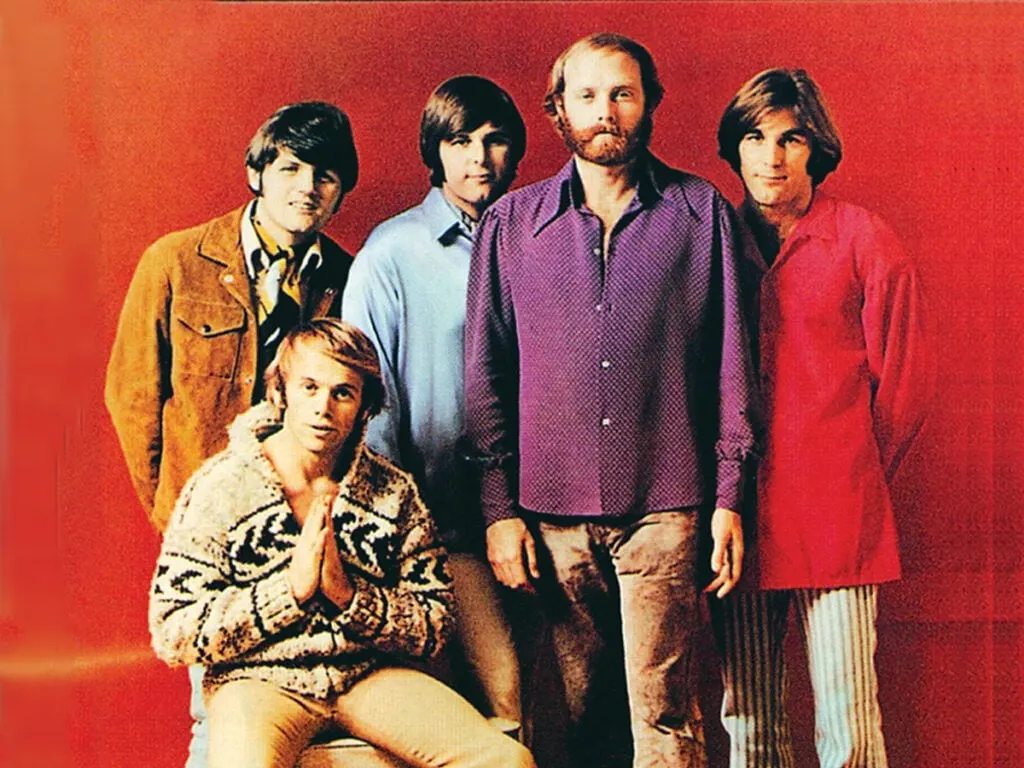
The Beach Boys’ 1988 hit “Kokomo” became a source of regret for Brian Wilson because he was absent from its recording sessions. The song topped the US singles chart and became one of the band’s best-known tracks, making his missed chance to contribute feel significant to him and his legal representative.
Wilson’s absence has been explained in different ways: he may have been working on solo material, or his therapist at the time, Eugene Landy, may have kept him from the sessions. Former legal representative John Mason recalled that Wilson and he wondered whether missing the hit was “a missed opportunity” and worried about what Wilson’s lack of involvement might mean for the band’s legacy. The article’s final sentence is cut off, so it does not explain how Wilson later addressed the regret.
- Brian Wilson missed the “Kokomo” recording sessions.
- The 1988 single reached number one in the US.
- His absence raised concerns about the band’s legacy.
New here? Start with this
The Beach Boys are an American band known for their songs about California life and for close vocal harmonies. Brian Wilson was a founding member, singer and songwriter whose work helped shape the group’s sound.
By the late 1980s, the band had continued recording and performing as its members pursued different projects. “Kokomo” was recorded without Wilson, although accounts differ over whether he was focused on solo work or was prevented from attending by his therapist, Eugene Landy.
The song’s success made Wilson’s absence notable to him and his legal representative, John Mason. Their concern was that missing a major hit might affect Wilson’s place in the band’s story and legacy.