Review: Hell Is Us (Switch 2) – Thought-Provoking, Admirable, And Frustrating By Design
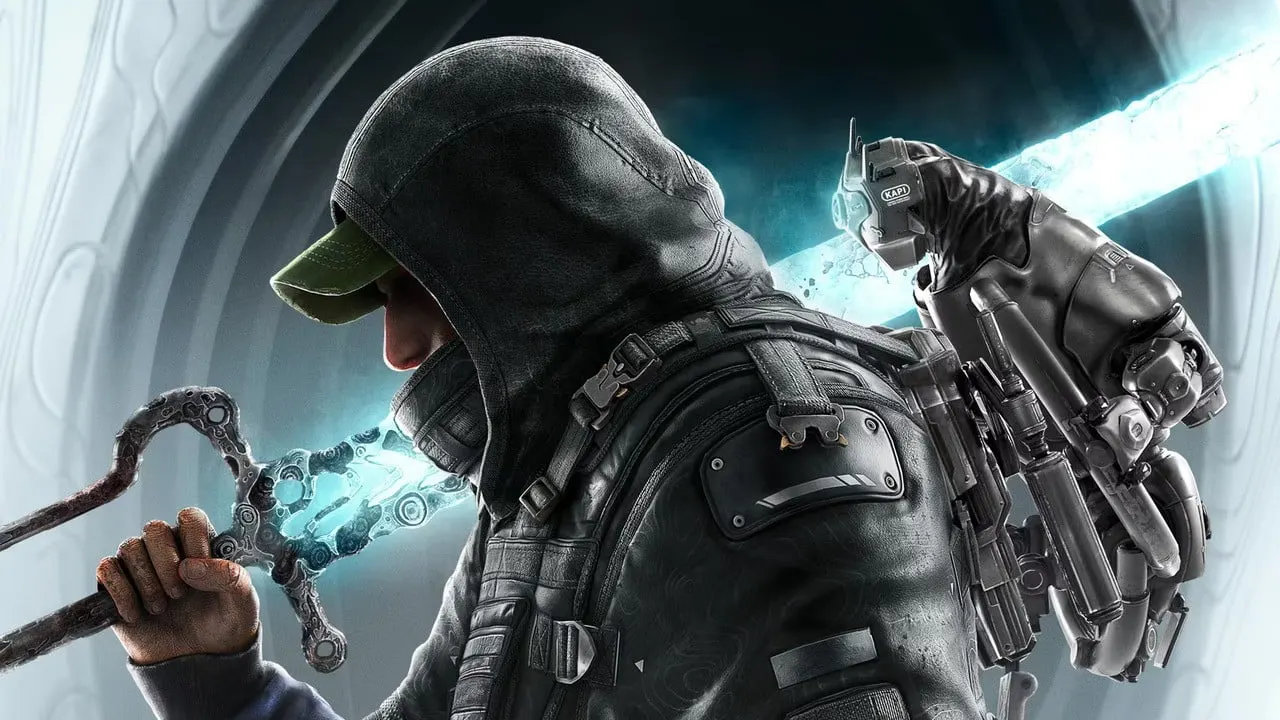
Hell Is Us uses a deliberately sparse approach to guidance, asking players to explore, solve puzzles and find their own way through its war-torn setting. The review finds that this design can make discoveries satisfying and supports the game’s themes, but often creates frustration instead of rewarding exploration.
Set in an alternate 1990s, the game follows Remì through Hadea, where the Palomists and Sabinians are at war and supernatural monsters roam. The reviewer cites confusing, similar-looking dungeon entrances, poor draw distance and unclear cues about which characters matter, alongside effective landmarks, puzzles and upgrades. Its depictions of wartime atrocities are powerful but make returning to the game difficult.
- Sparse guidance makes exploration feel rewarding at times.
- Confusing layouts and technical issues often frustrate.
- Hadea’s wartime horrors are deliberately hard to face.
New here? Start with this
Hell Is Us is an action-adventure game set in Hadea, a fictional country in an alternate 1990s. Players follow Remì through a civil war between the Palomists and Sabinians, while supernatural creatures also threaten the people caught up in the conflict.
The game gives players little guidance, leaving them to explore, solve puzzles and work out where to go. Its setting and wartime violence are part of the story, while its sparse clues shape how players experience that world.
Both sides, in good faith
The strongest fair case each way — we don't pick a winner.
The case for
Sparse guidance can make exploration and discovery feel earned, inviting players to engage with landmarks, puzzles and the setting rather than follow constant prompts. That approach also supports the game’s themes of uncertainty and gives its war-torn world room to make a lasting impression.
The case against
When locations look alike, distant scenery is hard to read and character cues are unclear, limited guidance can make progress feel confusing rather than rewarding. The reviewer’s account suggests that these frustrations, alongside the emotional weight of the atrocities depicted, may make the experience difficult to return to.