The Internet’s undersea backbone is slipping into the danger zone
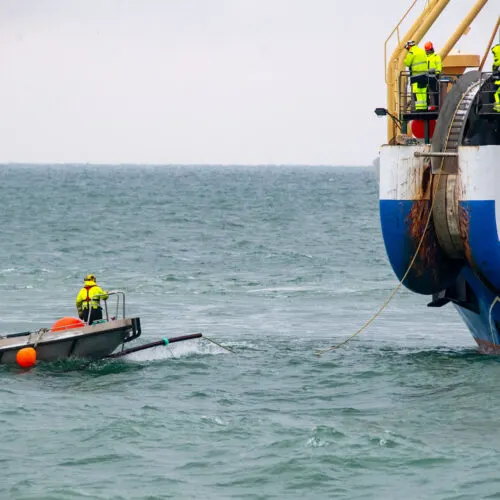
Subsea cables carry most of the world’s internet traffic, alongside vital energy links, but growing geopolitical tensions have made this largely unseen infrastructure more vulnerable to suspected sabotage. Elisabeth Braw’s new book, *Undersea War*, examines how cable and pipeline damage is prompting greater scrutiny as governments question whether longstanding international restraint can still protect these networks.
Most damage is accidental: fishing and shipping activity account for about 60 per cent, while storms and underwater landslides also cause problems. Between 150 and 200 cables are damaged each year, usually repaired quickly. Notable cases include the 2024 damage to four data cables and the Estlink 2 power cable in the Baltic, allegedly caused by the tanker Eagle S, and a 2025 conviction in Taiwan over a cable severing; meanwhile, the article cites Iranian pressure over cables in the Strait of Hormuz and a joint UK, Norwegian and US operation involving Russian submarines near Svalbard.
- Most internet traffic still relies on undersea cables.
- Accidents cause most damage, but sabotage concerns are rising.
- Recent incidents are testing international protections for seabed infrastructure.
New here? Start with this
Subsea cables are fibre-optic lines laid on the seabed that carry most international internet traffic. Other undersea links carry electricity and fuel, connecting countries and supporting services people use every day.
Fishing gear, anchors, storms and underwater landslides can damage these lines, and repairs are usually made quickly. Governments are also paying closer attention because damage during periods of international tension can raise questions about whether it was accidental or deliberate.
The cables cross waters used by many countries, so protecting them depends on cooperation as well as repair crews and ships. The issue matters because a break can disrupt communications or energy supplies, and countries are considering whether existing rules and restraint are enough to protect these links.
Both sides, in good faith
The strongest fair case each way — we don't pick a winner.
The case for
Governments have good reason to treat undersea cables and pipelines as strategic infrastructure: even rare deliberate attacks could disrupt communications or energy supplies, and recent incidents and military activity make complacency difficult to justify. Closer monitoring, better protection and clearer international rules could deter sabotage and help ensure networks are repaired quickly.
The case against
The high volume of cable damage is largely caused by fishing, shipping and natural events, so treating every incident through a security lens risks overstating the threat. Expanded surveillance or military responses could raise tensions and weaken the restraint that has helped keep these networks functioning; investment in resilience, rapid repairs and careful evidence gathering may address the risks with less escalation.