Uber tests autonomous cars on Manchester streets ahead of robotaxi plans
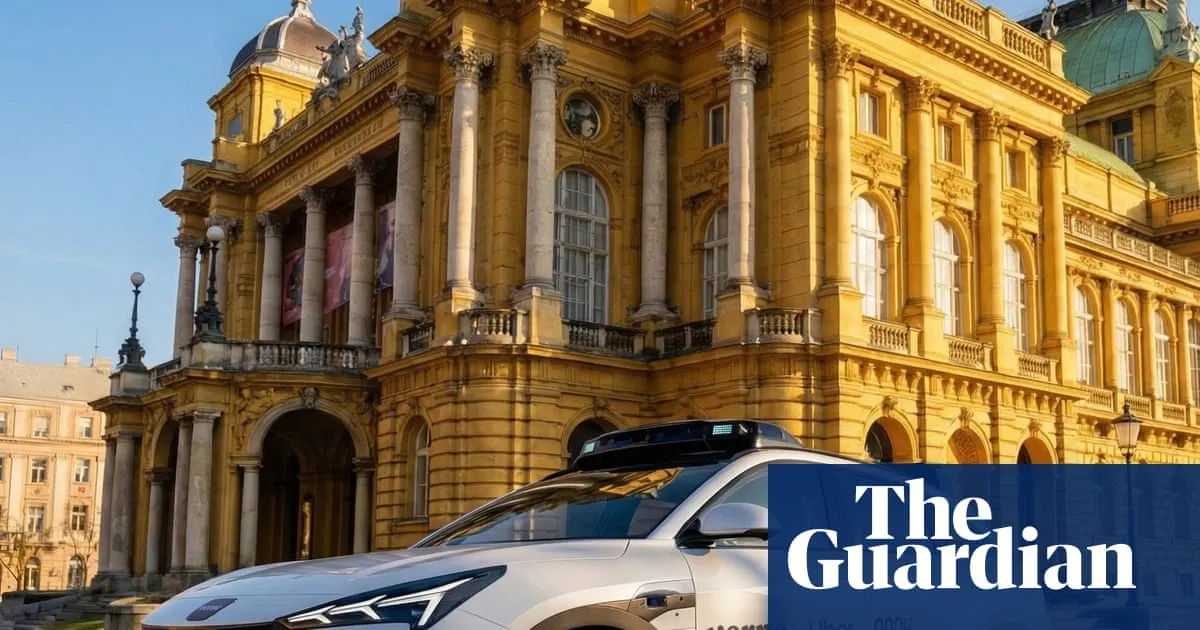
Uber has begun testing self-driving cars on Manchester’s streets, marking an early step in its plans to bring robotaxis to UK cities. The trial is important because it comes amid growing debate about the effects of autonomous taxis on drivers, public transport, safety and accessibility.
The vehicles use technology from partners Pony and Verne and are mapping the city with a safety driver at the wheel; no passengers are being carried. There has been no application to run passenger services in Manchester, and the cars are operating under government licences. Uber expects to offer robotaxi trips in up to 15 cities worldwide by the end of 2026, while unions warn the technology could cost thousands of drivers their jobs.
- Uber is testing autonomous cars on Manchester streets.
- The cars are mapping roads with safety drivers and no passengers.
- No application to launch Manchester passenger services has been made.
New here? Start with this
Robotaxis are taxis designed to drive themselves using cameras, sensors and computer software. Companies often test them on public roads with a trained safety driver ready to take control; early trials may focus on mapping routes and checking how the cars respond to traffic.
Uber is a transport company that connects passengers with drivers through an app, while Pony and Verne are partners supplying autonomous vehicle technology. A test does not by itself mean the cars are approved to carry passengers: public trials and commercial services are subject to government rules and licensing.
The technology could change how people travel and how many drivers are needed, while raising questions about road safety, access for disabled passengers and the role of public transport. Its effects will depend on how the vehicles perform, what rules apply and whether services become widely available.
Both sides, in good faith
The strongest fair case each way — we don't pick a winner.
The case for
Supporters could argue that testing on real streets, with a safety driver and no passengers, is a cautious way to assess whether autonomous taxis can improve road safety, accessibility and transport availability. If trials show the technology works reliably, robotaxis could offer convenient journeys and complement public transport, while creating new technical and operational work.
The case against
Critics could argue that even early trials help normalise a technology that may eventually displace thousands of drivers and weaken workers’ bargaining power. They may also question whether robotaxis will be safe and accessible across varied real-world conditions, and whether investment in private automated taxis could draw attention and resources away from public transport.
Americas Art Business Companies Culture Geopolitics Politics UK World
Read the full article at the source →
Originally published by The Guardian as “Uber begins self-driving robotaxi trial in Manchester”.