New motherboards and Linux extend the useful life of older PCs
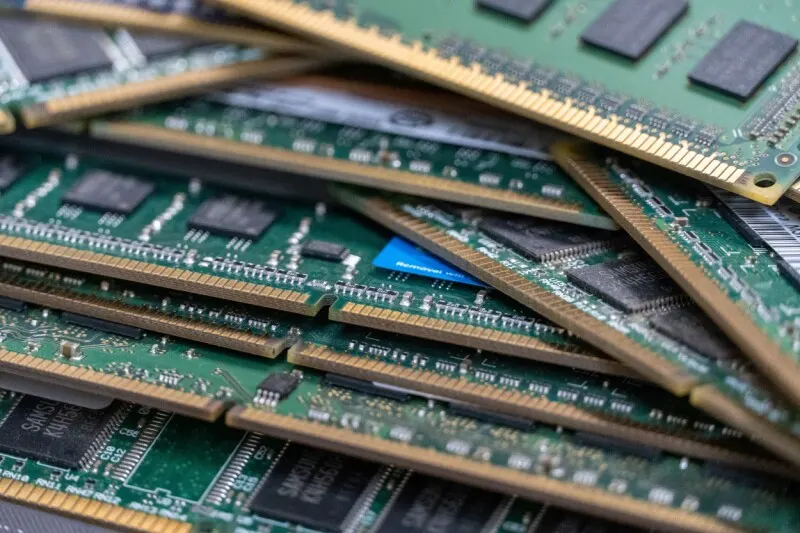
New motherboards supporting older memory standards show that capable PCs can remain useful well beyond the usual upgrade cycle. The article links renewed interest in older hardware to rising component costs and shortages, and argues that Linux and other free operating systems can help people avoid replacing computers that still meet their needs.
Gigabyte has introduced AM4 boards using DDR4, including models with two or four memory slots, as well as an Intel B760M board; Chinese vendors also sell new DDR3 boards for roughly 15-year-old Xeon processors. DDR4 dates to 2014, while DDR5 reached mainstream PCs from 2021. The article says older computers can often run Linux well, whereas newer hardware may have less complete open-source support; it also notes that Windows 11 requirements leave some otherwise capable PCs unsupported.
- New boards show DDR4 and even DDR3 systems remain available.
- Rising component costs are renewing interest in older PCs.
- Linux can keep capable hardware useful beyond Windows’ upgrade limits.
New here? Start with this
A computer’s processor, memory and motherboard have to work together, and changing one part can sometimes mean replacing others too. DDR3, DDR4 and DDR5 are different generations of memory; newer generations are common in recent PCs, while older ones can still serve many everyday needs.
Motherboard makers including Gigabyte sell new boards for some older processor and memory combinations, and Chinese vendors offer boards for much older Xeon processors. Linux is a free operating system that can run on many PCs, including some that do not meet Windows 11’s hardware requirements.
The issue matters as component costs rise and some parts become harder to find, prompting people to consider keeping or repairing the computers they already own. Whether an older machine remains suitable depends on what someone needs it to do and whether its parts and software are compatible.
Read the full article at the source →
Originally published by The Register as “New motherboards, old RAM, plenty of life left in yesterday’s PCs”.