Soulslikes Don’t Work in First-Person — Yet
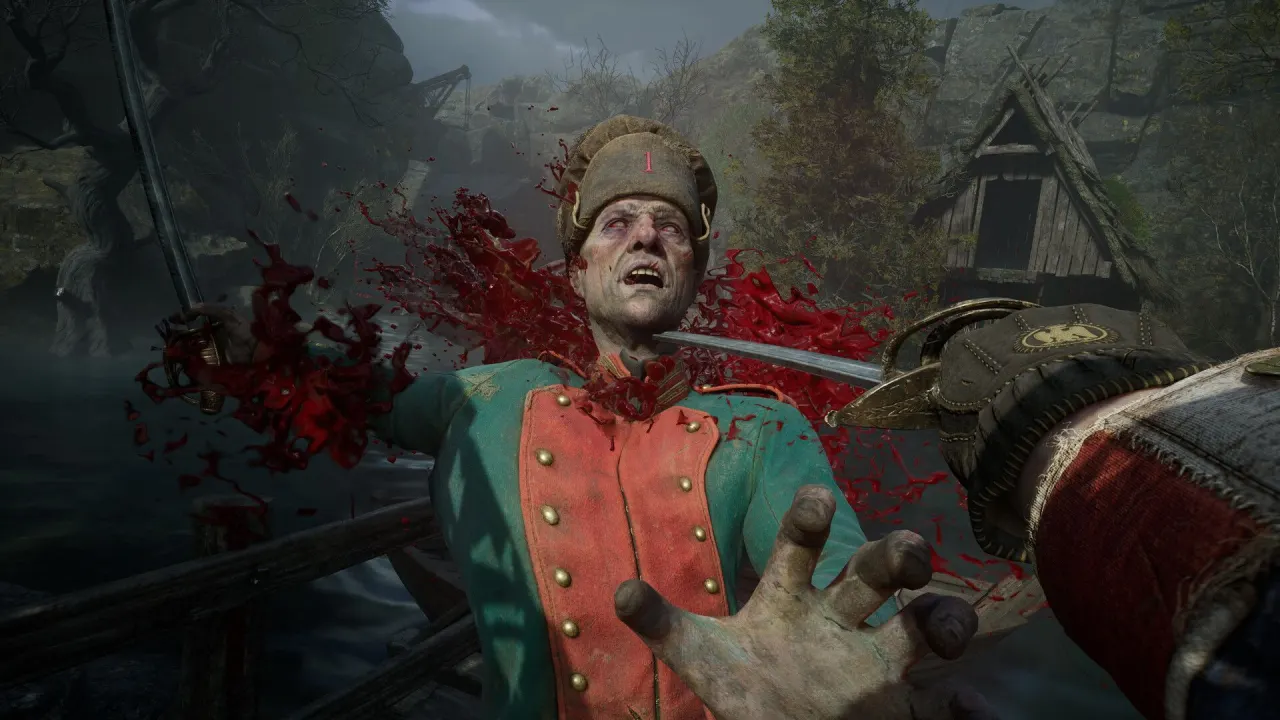
Valor Mortis brings Soulslike combat into first-person, but the review argues that the shift makes battles harder to read and less satisfying. Although the game retains the genre’s punishing difficulty, it struggles to deliver the spatial awareness and sense of impact that help make third-person combat work.
The reviewer says close-up enemies can block the view of other attackers, while dashing consumes stamina and can send the player into hazards. Parrying is particularly difficult because of the combat’s perceived weightlessness and first-person depth perception; one missed parry against the five-armed General Lothaire can be devastating. The article also notes that the game has some positives, though the supplied text ends before describing them.
- First-person combat makes it harder to track nearby enemies.
- Dashing and parrying feel less reliable to the reviewer.
- The review sees promise but questions the perspective.
New here? Start with this
Soulslike games are action games built around difficult fights, carefully timed attacks and defence, and enemies that can punish mistakes. They often use a third-person view, which lets players see their character and more of the space around them.
Valor Mortis adapts that style of combat to a first-person view, placing the camera where the character’s eyes would be. Its review focuses on how this affects awareness of nearby threats and the timing of parries, a defensive move that can stop or counter an enemy attack.
The question matters to players because the camera shapes how clearly they can judge distance, danger and the force of a hit. The review considers whether a demanding combat style can work as well when those cues are harder to read.
Both sides, in good faith
The strongest fair case each way — we don't pick a winner.
The case for
A thoughtful case for the review’s argument is that Soulslike combat depends on reading enemy positions, attack timing and distance, and first-person perspective can make those cues harder to judge. If nearby foes obscure others and parries feel difficult to time, the same stamina costs and severe penalties may feel less like demanding mastery and more like fighting the camera, weakening the satisfaction of a hard-won victory.
The case against
A thoughtful countercase is that first-person combat can offer immediacy and immersion, and unfamiliar depth cues may be a design challenge rather than proof that the perspective cannot work for Soulslikes. The reported problems describe this game’s implementation; with clearer enemy telegraphs, stronger feedback and carefully tuned movement, a first-person Soulslike could preserve demanding combat while creating a distinct experience.