Dem AG targets Trump on voting while his state sends rights letters to dead people
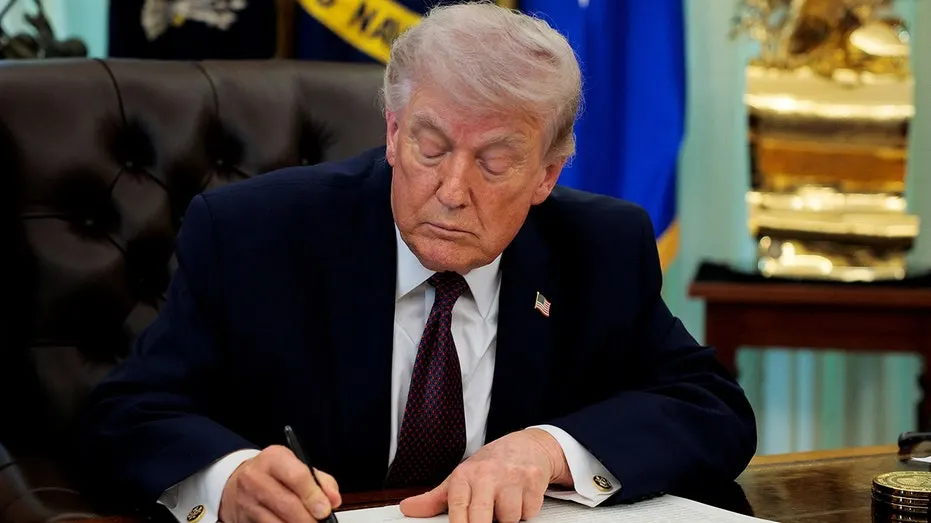
Virginia Attorney General Jay Jones has launched a Voter Protection Section to enforce state voting rights laws, citing concerns about federal election policies under President Donald Trump. The move has drawn criticism from Republicans, who say it fails to address a controversy over voting rights restoration letters sent to deceased former felons.
Virginia Governor Abigail Spanberger’s administration has restored voting rights to more than 66,000 people. Some residents say letters were sent to deceased relatives, including one Fredericksburg man whose late daughter received a notice saying her case had been reviewed and her rights restored. Republicans have called for an investigation, while Jones’s office did not elaborate beyond its initial statement.
- Jay Jones has created a Virginia voter protection unit.
- Republicans say it has ignored letters sent to deceased former felons.
- More than 66,000 Virginians have had their voting rights restored.
New here? Start with this
Virginia law allows some people with felony convictions to have their voting rights restored. Governor Abigail Spanberger’s administration says it has restored those rights to more than 66,000 people.
Jay Jones is Virginia’s attorney general, the state’s chief legal officer. His office handles enforcement of state laws, including those concerning voting; the governor leads the state administration that processes rights restorations. President Donald Trump’s federal election policies have also become part of the political debate over voting in Virginia.
The dispute matters because accurate records and clear rules affect who can vote and public confidence in elections. Letters reportedly went to some people who had died, prompting Republicans to call for an investigation.
Both sides, in good faith
The strongest fair case each way — we don't pick a winner.
The case for
A dedicated Voter Protection Section could help enforce Virginia law and ensure eligible voters can exercise their rights, particularly amid concerns about federal election policies. Restoring rights to more than 66,000 people may also correct past disenfranchisement, and letters sent in error to deceased people do not by themselves show that ineligible votes were cast.
The case against
The reports of restoration letters sent to deceased people raise legitimate questions about the accuracy of the state’s records and whether safeguards are adequate. Republicans can reasonably argue that the administration should investigate and explain those errors, and that visible attention to election issues should include accountability for the state’s own processes.