Hochul dodges when pressed over victims of illegal immigrant crime: ‘Will you apologize?’
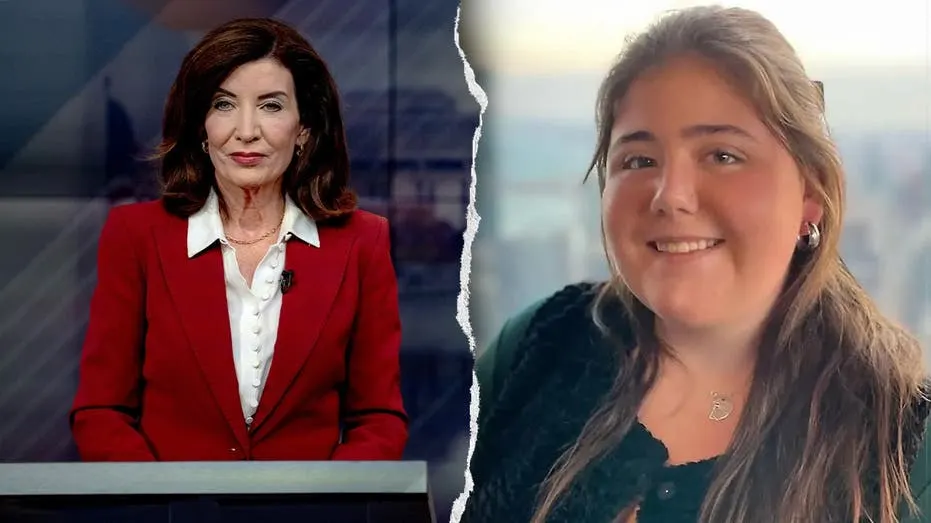
New York Governor Kathy Hochul did not directly apologise to families of people killed by undocumented immigrants when Republican challenger Bruce Blakeman raised the issue during a debate. She said all crimes were heartbreaking and described efforts by her administration to reduce crime, then shifted to the deaths of two Americans shot by federal immigration agents.
The exchange centred partly on Sheridan Gorman, an 18-year-old student from New York who was fatally shot near her Chicago campus; a Venezuelan man has been charged in connection with her death. Blakeman asked Hochul to apologise and return Gorman’s parents’ calls about sanctuary policies, which limit local cooperation with federal immigration authorities. Hochul said she apologised for pain caused to anyone, but did not directly address either request; voters will choose between the candidates in November.
- Hochul did not directly answer Blakeman’s apology request.
- The debate exchange focused on Sheridan Gorman’s death.
- Hochul cited crime reduction and deaths involving federal agents.
New here? Start with this
New York Governor Kathy Hochul is a Democrat seeking re-election, while Bruce Blakeman, a Republican, is challenging her. Their disagreement reflects a wider debate over how local authorities should work with federal immigration officials when people are accused of crimes.
Sanctuary policies generally limit local cooperation with federal authorities seeking to enforce immigration laws, though the details vary. Supporters say such policies can help people report crimes without fear; critics argue they can make it harder to detain or transfer people accused of offences.
Sheridan Gorman was an 18-year-old student from New York who was killed near her campus in Chicago. A Venezuelan man has been charged in connection with her death, and the case has become part of the political argument about immigration and public safety.
Both sides, in good faith
The strongest fair case each way — we don't pick a winner.
The case for
Hochul’s response can be defended as an effort to acknowledge every family’s grief without implying that a charged suspect’s immigration status alone settles questions of responsibility or policy. She could also argue that crime prevention is better addressed through evidence about public safety and her administration’s actions than through a demanded apology tied to sanctuary rules, while noting that federal agents’ killings also merit scrutiny.
The case against
Blakeman’s demand can be defended as asking the governor to show direct compassion to families who say sanctuary policies may have affected their access to help or accountability. Even without accepting that those policies caused the deaths, critics may see a specific apology and a return call as basic acts of empathy and transparency, and Hochul’s broader answer as leaving those concerns unanswered.