The World Cup co-hosts where rugby league is a national obsession
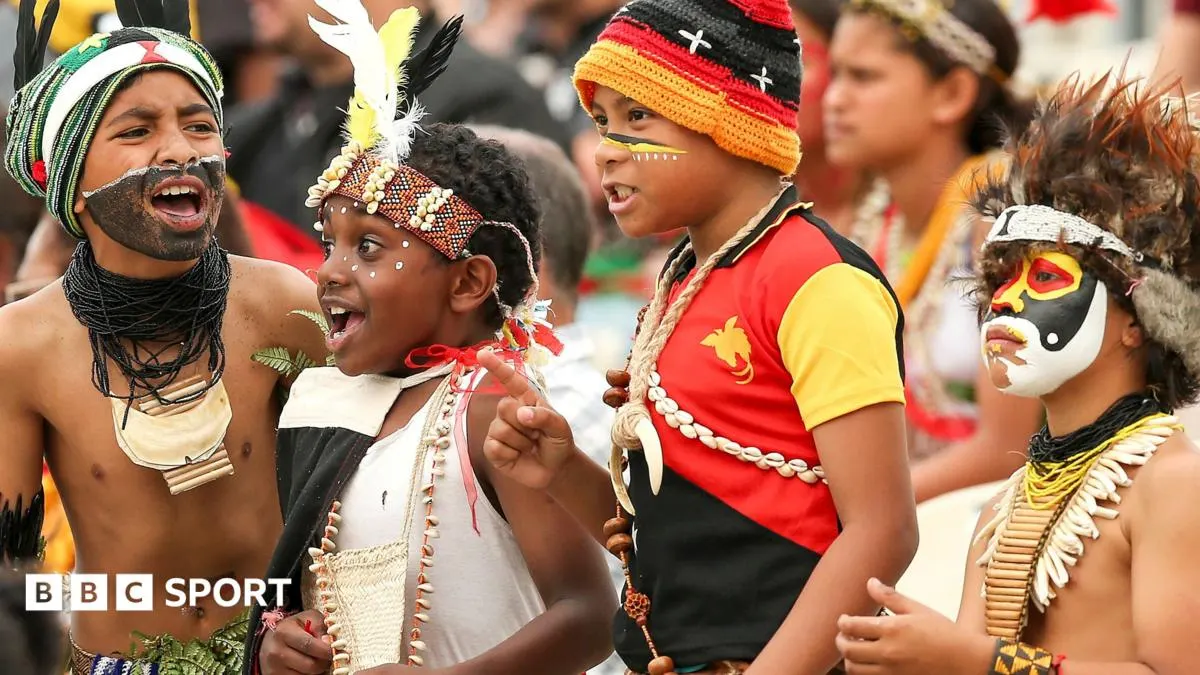
Papua New Guinea’s deep devotion to rugby league is on display as it co-hosts the World Cup with Australia and New Zealand, with Port Moresby hosting four matches this month. The sport gives fans and players a powerful shared identity in a country divided by tribal conflict and hundreds of languages, though crowd passion has sometimes turned violent.
Australian miners introduced rugby league to PNG in the 1930s, and it spread widely. Children play wherever they can, often improvising balls from containers or other materials; the country is also known for producing talented players. Crowds of 15,000 can be deafening, while the national men’s team, the Kumuls, and women’s team, the Orchids, are celebrated across the country.
- Rugby league is a major source of pride and unity in Papua New Guinea.
- Port Moresby is hosting four World Cup matches.
- The sport took root after Australian miners introduced it in the 1930s.
New here? Start with this
Papua New Guinea is a Pacific nation with hundreds of languages and many distinct communities. Rugby league arrived there with Australian miners in the 1930s and spread widely, becoming a shared part of daily life in places where children often make do with whatever they can use as a ball.
The country’s national teams are the Kumuls (men) and the Orchids (women), and rugby league crowds can number in the tens of thousands. The sport brings people together across community lines, although intense support has sometimes been accompanied by violence.