Murnau’s Faust revisited as a landmark of German expressionist cinema
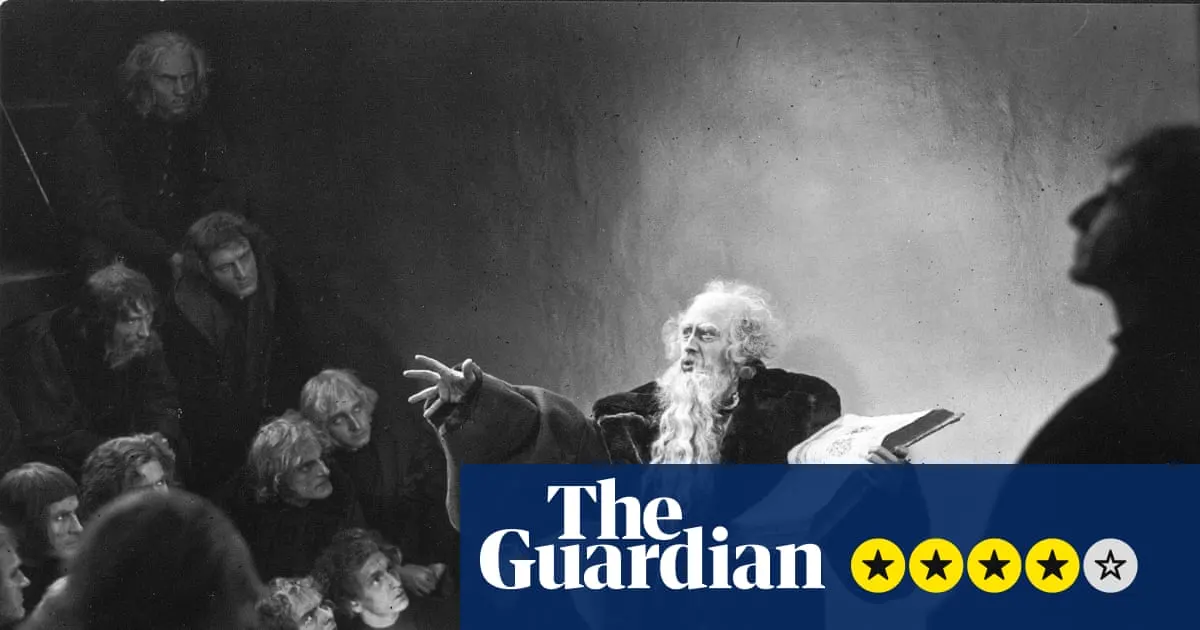
FW Murnau’s 1926 silent film *Faust* remains a striking example of German expressionist cinema, revisited on its centenary. Its story of a scholar who bargains with the devil explores evil, corruption and redemption through love, making the film a distinctive adaptation of Goethe’s tale.
Gösta Ekman plays Faust and Emil Jannings is Mephisto, who wagers he can corrupt him. Faust returns to his village as a young man, falls in love with Gretchen, and their story ends in tragedy when she is condemned for killing their child and Faust is pursued for killing her brother. The review praises the film’s scale, inventive model work and image of Mephisto looming over a city like a vast dark angel.
- Murnau’s *Faust* remains visually powerful a century on.
- Ekman and Jannings lead its story of a devil’s wager.
- The film pairs expressionist spectacle with a tragic romance.
New here? Start with this
German expressionism was a film movement of the 1920s that used dramatic shadows, unusual sets and distorted images to create mood and explore inner conflict. FW Murnau was one of its leading directors, working during the early years of cinema, when silent films told stories through images, music and intertitles rather than spoken dialogue.
Faust draws on a well-known German legend, also told in a play by writer Johann Wolfgang von Goethe: a scholar makes a bargain with the devil in exchange for youth and worldly experience. In Murnau’s film, Gösta Ekman plays Faust and Emil Jannings plays Mephisto, the devil’s agent; Gretchen becomes central to the consequences of Faust’s bargain.
Read the full article at the source →
Originally published by The Guardian as “Faust review – FW Murnau’s silent masterpiece is a devilishly dazzling vision”.