Press freedom groups that blasted Trump turn fire on Dem governor over alleged media retaliation
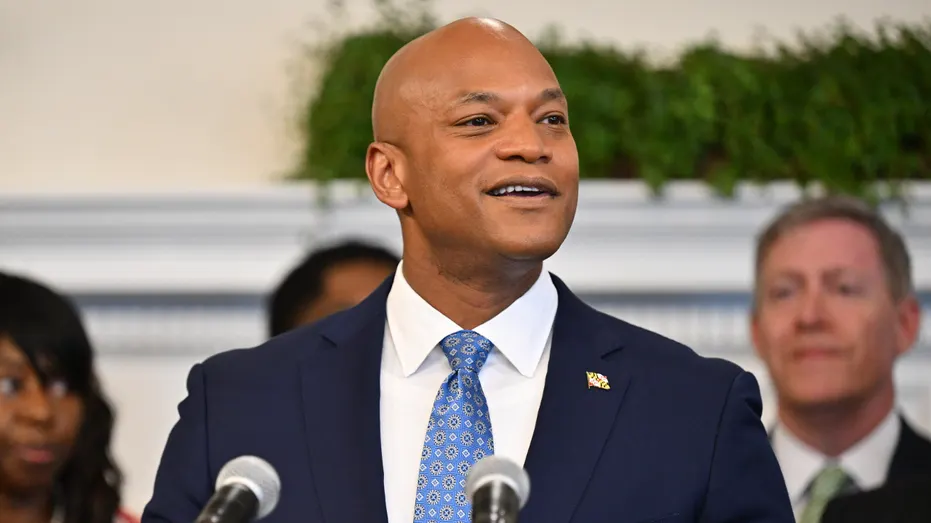
A coalition of seven press freedom and civil liberties groups has accused Maryland Governor Wes Moore’s administration of subjecting some reporters to extra legal scrutiny because their outlets’ owner is suing him. The groups say this risks unequal treatment of journalists and echoes restrictions on media access they have criticised under Donald Trump.
The review applies to routine enquiries from Sinclair-affiliated outlets and The Baltimore Sun, and state agencies have cited the lawsuit in written replies. Moore’s office rejects claims of a blanket refusal, saying agencies and the Governor’s Office answered dozens of questions from Sinclair outlets in the past week. The dispute follows a July defamation suit by Sinclair chairman David Smith, who says Moore made damaging remarks about him, including an alleged link to Jeffrey Epstein.
- Seven groups say Moore’s administration is applying extra legal scrutiny to some reporters.
- Moore’s office says it continues to answer their questions.
- The dispute follows a defamation suit by Sinclair chairman David Smith.
New here? Start with this
Maryland is a US state, and its governor, Wes Moore, leads the state government and its agencies. Reporters at The Baltimore Sun and outlets owned by Sinclair Broadcast Group seek information from those agencies as part of their work.
Sinclair chairman David Smith filed a defamation lawsuit against Moore in July, arguing that the governor made damaging remarks about him. Seven press freedom and civil liberties groups say the lawsuit has led state agencies to subject enquiries from Sinclair outlets and The Baltimore Sun to extra legal review; Moore’s office disputes that there is a blanket refusal to respond.
The dispute concerns whether journalists are being treated equally while a legal case involving their outlets’ owner is under way. It also draws comparisons with earlier arguments over media access during Donald Trump’s presidency.
Both sides, in good faith
The strongest fair case each way — we don't pick a winner.
The case for
The press freedom groups’ case is that extra legal scrutiny tied to an outlet owner’s lawsuit risks making routine access depend on who owns a newsroom, rather than on consistent rules. Even if the administration has answered many questions, citing the lawsuit in replies may create a chilling effect and weaken public confidence in equal treatment of journalists.
The case against
The administration can argue that a review prompted by active litigation is a prudent way to ensure communications do not affect the case or create legal exposure, rather than retaliation against reporters. It also says it has continued answering numerous questions from Sinclair outlets, which weighs against the claim of a blanket refusal; consistent procedures can protect both the public’s access to information and the integrity of the lawsuit.