Almeida director Dominic Cooke unveils politically focused debut season
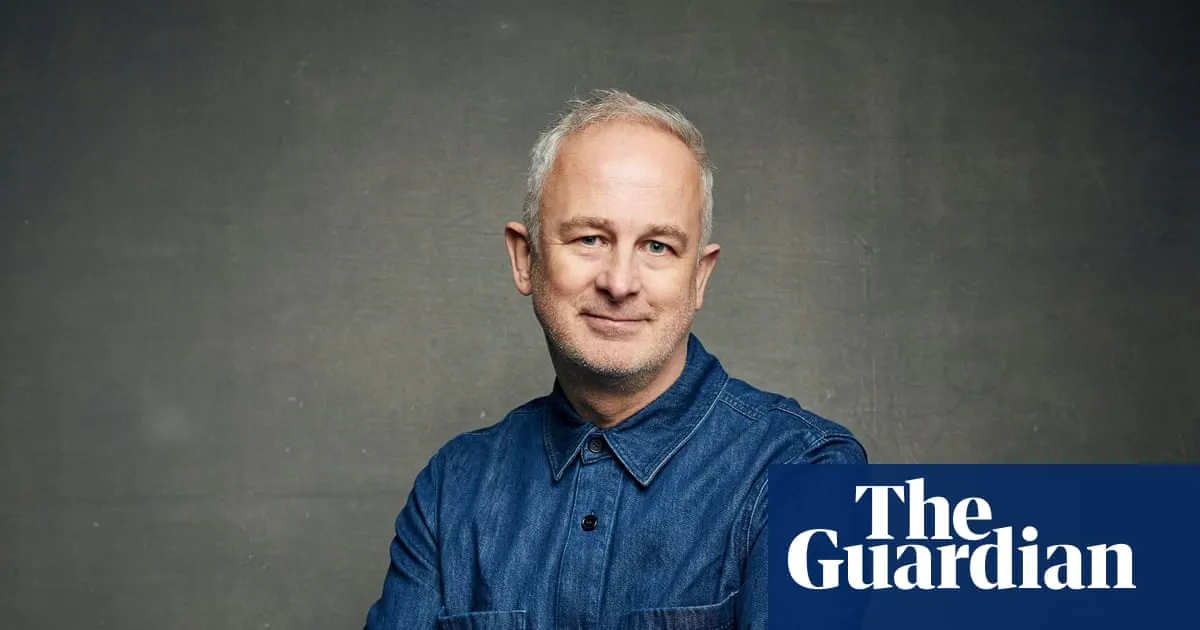
Dominic Cooke has announced a politically focused first season as artistic director of London’s Almeida theatre, saying artists should bring overlooked situations into public view as the world faces major upheaval. The programme includes David Tennant in a reworked revival of John Osborne’s *The Entertainer*, which Cooke says will examine English identity, empire and Britain’s adjustment to diminished global influence.
The season opens with *Three and a Bit*, a collection of short plays by Caryl Churchill, whose work Cooke described as sharply relevant to indifference towards distant suffering. It will also include *Angel to Olympus*, performed by the Almeida Young Company for 14- to 18-year-olds, amid Cooke’s concern that cuts to school drama are weakening the talent pipeline. The theatre also plans to ban Meta smart glasses because they can record people without being easily noticed, raising concerns about privacy and distractions during performances.
- Dominic Cooke’s first Almeida season puts political theatre centre stage.
- David Tennant will lead a reworked *The Entertainer*.
- The theatre plans to ban Meta smart glasses.
New here? Start with this
The Almeida is a theatre in north London, and its artistic director chooses the work it stages and helps set its direction. Dominic Cooke is a theatre director who has taken on that role; his choices include new productions and revivals of older plays.
John Osborne’s The Entertainer, first staged in 1957, follows a music-hall performer and his family. Its themes of English identity, empire and Britain’s place in the world offer one way to explore how the country has changed. Caryl Churchill is a British playwright known for short, formally inventive works that often engage with political and social questions.
The Almeida Young Company gives teenagers a chance to perform and develop theatre skills. Its work sits alongside wider concerns about access to drama education and future routes into the arts. The theatre’s proposed restriction on Meta smart glasses reflects a separate issue: wearable cameras can raise privacy concerns in shared spaces such as auditoriums.
Both sides, in good faith
The strongest fair case each way — we don't pick a winner.
The case for
A politically focused season can make theatre a place to examine urgent questions that may otherwise receive too little attention, while reviving Osborne and staging Churchill gives audiences established work through which to consider identity, empire and distant suffering. Supporting a young company also offers teenagers a route into theatre at a time when school drama is under pressure, and banning discreet recording glasses can protect audience privacy and concentration.
The case against
A season with an explicit political focus may risk narrowing the range of perspectives audiences encounter or making complex issues feel shaped by the theatre’s own assumptions; audiences might prefer work that leaves more room for varied interpretations. Resources devoted to politically themed productions and youth theatre could also be questioned if they limit other artistic choices, while a blanket glasses ban may inconvenience people who use smart glasses for legitimate purposes.
Art Culture Entertainment Music TV UK World
Read the full article at the source →
Originally published by The Guardian as “‘The world is falling apart’: Dominic Cooke plans boldly political first season at Almeida”.