Penguin Colony Rips Lovecraft’s Horror From His Racist Hands
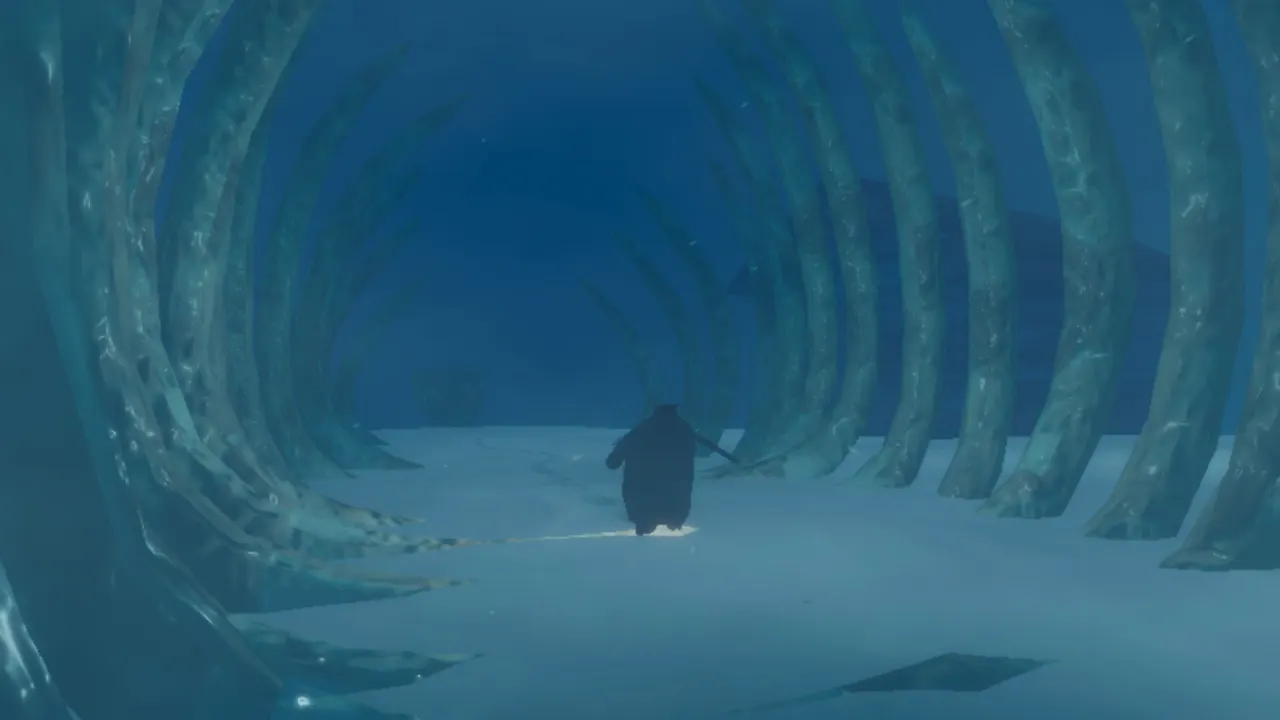
Penguin Colony is a psychological horror game that retells H.P. Lovecraft’s At the Mountains of Madness through the eyes of penguins, then turns its cosmic horror into a critique of colonialism and fascism. The review argues that the game confronts Lovecraft’s racism directly, using his imagery to challenge the beliefs embedded in his work and to protest indifference to present-day violence.
Set in Antarctica in 1939, the roughly three-hour game follows a mysterious tribe and a Nazi expedition seeking what the Nazis believe is an Aryan god. It retains Lovecraftian elements such as Miskatonic University and Shoggoths, while recasting the story around the destruction wrought by colonisation. The review describes the result as confrontational protest art rather than a conventional adaptation.
- A penguin-led horror game reworks Lovecraft’s Antarctic tale.
- The story pits a mysterious tribe against a Nazi expedition.
- Its cosmic horror becomes a critique of colonialism and fascism.
New here? Start with this
H.P. Lovecraft was an American horror writer whose stories often feature humans confronting ancient, powerful beings beyond their understanding. His work helped shape modern horror, but it also contained racist ideas, including fears about people from other backgrounds and cultures.
At the Mountains of Madness is one of his Antarctic tales, involving an expedition that uncovers traces of an ancient civilisation and encounters strange creatures. Penguin Colony reworks that setting in 1939, with penguins at the centre and a Nazi expedition searching for what it believes is an Aryan god.
The game draws on Lovecraft’s characters and imagery while shifting attention to colonialism and fascism. That context matters because it asks how a story’s familiar horrors can be used to examine the racist beliefs in its source and the violence associated with those ideologies.
Both sides, in good faith
The strongest fair case each way — we don't pick a winner.
The case for
Reworking Lovecraft through penguin characters and a Nazi expedition can expose how horror imagery is shaped by racism, colonialism and fascist ideas. A confrontational adaptation may use familiar symbols to challenge those assumptions and connect the past to present-day violence, rather than treating the source material as politically neutral.
The case against
A critic could argue that making the game an explicit protest risks narrowing a complex work into a vehicle for a predetermined message. Recasting Lovecraft’s imagery may also obscure what made the original distinctive, or substitute contemporary symbolism for a more nuanced engagement with its racism and colonial history.