Obama warns social media fuels polarisation but says extremism can be resisted
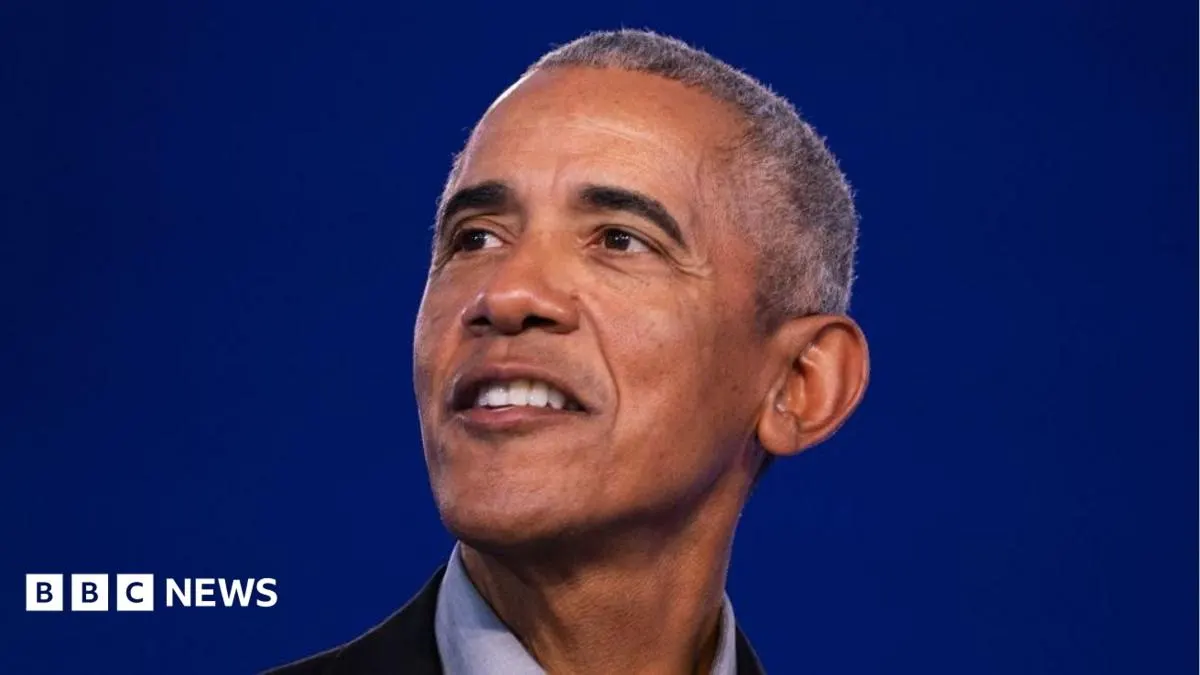
Barack Obama told a Glasgow audience that social media platforms increasingly promote anger and fear, contributing to political polarisation and the risk of extremism. He argued that this drift is not inevitable, but said societies need ways to protect free speech while holding platforms accountable and helping people establish basic facts.
Speaking at the OVO Hydro with journalist Sathnam Sanghera, Obama said technology can mobilise people for democracy and human rights as well as be used by hate groups. He warned that AI could make it harder to distinguish truth from falsehood, and said hope is an active choice: people should remember the lessons of history and believe change is possible.
- Obama says extremism is not inevitable.
- He warns online content can fuel anger and polarisation.
- He says AI may make truth harder to identify.
New here? Start with this
Barack Obama was US president from 2009 to 2017 and remains a prominent voice in debates about democracy and technology. Social media platforms let people share news and opinions quickly, but their systems can also spread attention-grabbing material, including claims that deepen political divisions.
Political polarisation is when people become more divided into opposing camps and less willing to trust or listen to one another. The debate is about how to limit the spread of harmful or false material while protecting free speech, and how new tools such as artificial intelligence may affect what people believe.
Both sides, in good faith
The strongest fair case each way — we don't pick a winner.
The case for
Social media platforms can amplify anger, fear and falsehoods, deepening divisions and making it easier for extremist groups to recruit. Supporters of stronger accountability argue that platforms should take responsibility for these effects and help users establish reliable facts, while preserving space for legitimate debate.
The case against
Platforms also let people organise for democracy and human rights, share information and challenge powerful institutions. Those wary of greater accountability measures argue that broad rules could restrict lawful speech or give governments and companies too much influence over public debate; they favour protecting open expression while addressing specific harms carefully.
Americas Government Politics World
Read the full article at the source →
Originally published by BBC World as “Obama says drift towards extremism ‘not inevitable’”.