Mexico orders online platforms to shield children from harmful content
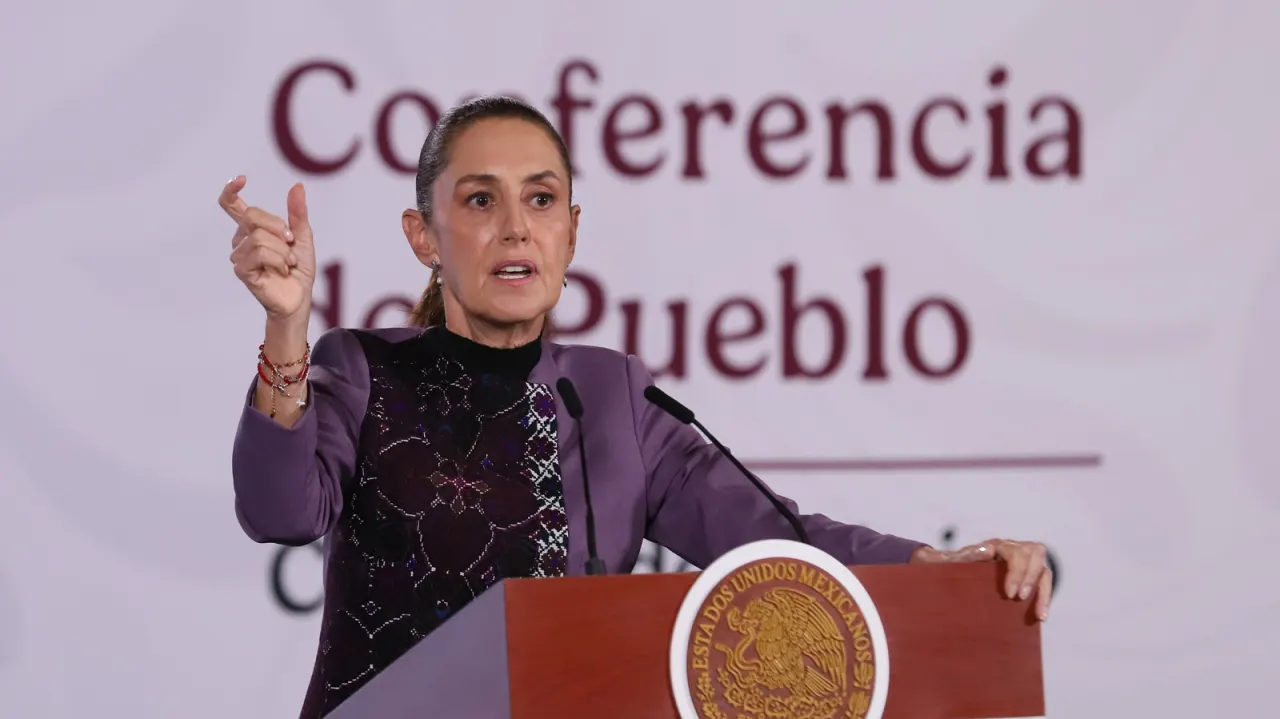
Mexico’s President Claudia Sheinbaum has signed a decree requiring digital platforms to protect children from harmful content, with 30 calendar days to put measures in place. The rules matter because they impose a national duty on platforms that host or share user content, using a presidential decree rather than new legislation.
Platforms must block minors’ access to specified material, including explicit sexual content, hate speech, violent extremism, self-harm and cyberbullying. They are also required to remove accounts or content promoting violence, provide age classifications and parental tools, strengthen young users’ privacy settings, and maintain round-the-clock contact with investigators. The rules will initially carry no penalties, but the government says it may pursue further legislation if companies fail to comply; Mexico’s digital transformation agency will oversee implementation.
- Mexico gives platforms 30 days to introduce child-safety measures.
- The rules cover harmful content and require stronger protections for young users.
- Compliance is initially non-punitive, with possible legislation later.
New here? Start with this
Digital platforms let users post, share and view material, so children may encounter content such as sexual material, violent extremism or cyberbullying. Governments differ in how they set rules for these services, which often operate across national borders.
Mexico’s president, Claudia Sheinbaum, leads the country’s federal government. The rules apply to platforms that host or share user content, and Mexico’s digital transformation agency is responsible for overseeing them.
The decree makes child protection a national duty for these platforms and calls for measures such as age classifications, parental tools and stronger privacy settings. How the rules are put into practice matters to children and families, as well as to companies that run services used in Mexico.
Both sides, in good faith
The strongest fair case each way — we don't pick a winner.
The case for
Children can face lasting harm from exposure to sexual material, violent content, self-harm promotion and cyberbullying, while parents cannot realistically monitor every online interaction. A national duty could set consistent safeguards across platforms, encourage better privacy and age controls, and give investigators a way to respond quickly when children are at risk.
The case against
Broad duties imposed by decree may leave platforms uncertain about what must be blocked or removed, encouraging excessive censorship of lawful speech and limiting young people’s access to information. Rules set without new legislation may also raise concerns about legal scrutiny and accountability, while age checks and round-the-clock cooperation with investigators could create privacy and implementation burdens.
Americas Basketball Government Politics Sport World
Read the full article at the source →
Originally published by Engadget as “Mexico’s president signs decree ordering tech platforms to protect minors from adult content”.