Airport fee ‘rip-offs’ to be reviewed after ministers raise price changes
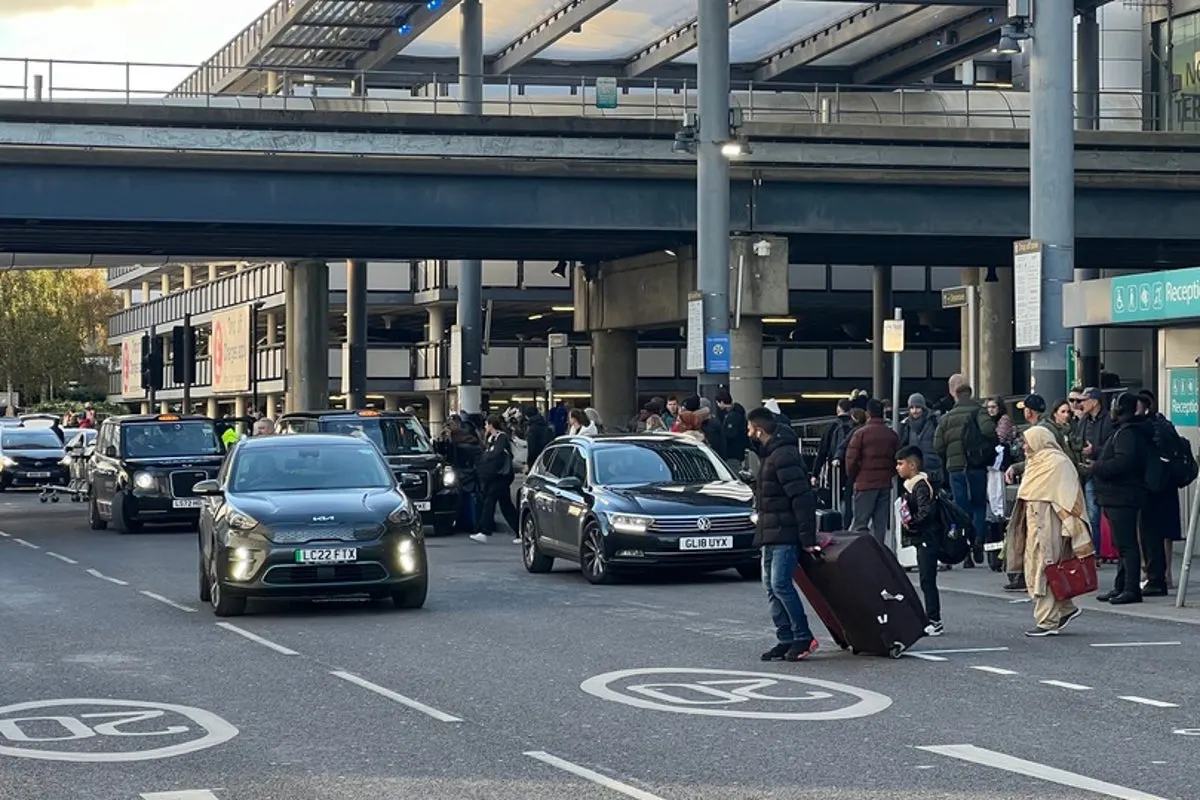
Ministers are to review drop-off charges at UK airports after research found fees have risen sharply, prompting complaints that they are unfair and make travel less accessible. The review is intended to examine how charges affect passengers and whether airports treat them fairly.
The RAC found that 16 of 20 airports it assessed had raised or introduced fees since last summer, with the average charge up by a third to £7. Heathrow charges £7, Gatwick £10 for 10 minutes, Stansted £10 for up to 15 minutes and Manchester £5.50 for five minutes. Airports say they offer free drop-off options farther from terminals and use premium-charge revenue to support their operations; the review’s scope is not yet confirmed.
- Ministers will review UK airport drop-off fees.
- The average charge has risen a third to £7.
- Airports say free drop-off options remain available farther away.
New here? Start with this
UK airports may charge drivers who stop near a terminal to drop off passengers. Some airports also offer free drop-off areas farther away, which can mean a longer walk or a shuttle journey.
The charges are set by individual airports, including Heathrow, Gatwick, Stansted and Manchester. Airports say the fees help support their operations, while some passengers argue they add to the cost of travel and can be difficult for people who need help reaching the terminal.
The review is intended to look at how these fees affect passengers and whether airports apply them fairly. Its scope has not yet been confirmed.
Both sides, in good faith
The strongest fair case each way — we don't pick a winner.
The case for
Airports can argue that charges help manage congestion at terminal entrances, fund transport and airport operations, and encourage use of free drop-off areas that reduce pressure on limited space. On this view, a short, clearly signposted charge for convenient access is a reasonable way to cover costs while preserving a free option for passengers willing to walk or take a shuttle.
The case against
Passengers can argue that steep or rising fees make a basic part of travel less accessible, particularly for disabled people, families and those with limited transport alternatives. They may also question whether charges are fair when the free options are less convenient and the rules or costs vary between airports, making a government review appropriate.