Albania rioters clash with police for Socialist government as European unrest spreads
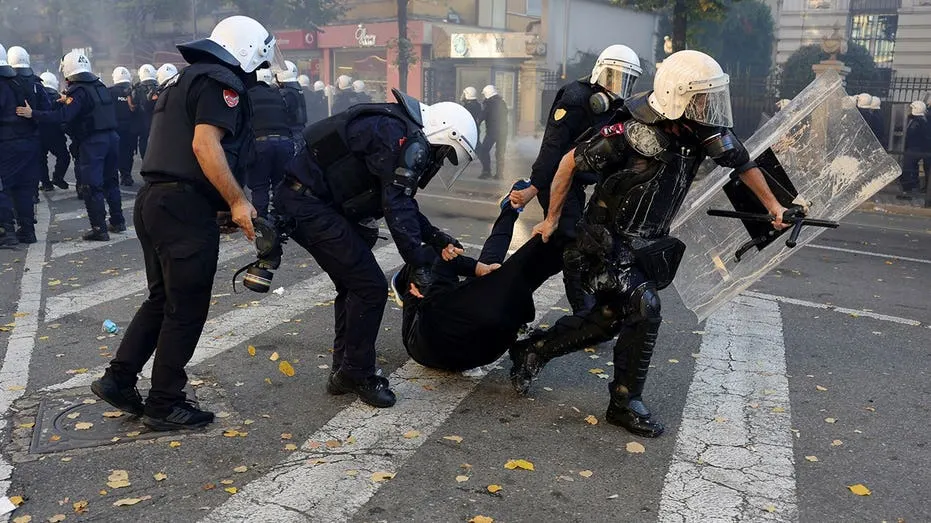
Protests against Albania’s Socialist government continued in Tirana for a third day, with demonstrators clashing with police as Prime Minister Edi Rama rejected calls to resign. The unrest matters because it brings together demands for education reforms and wider anger over alleged corruption, while Rama says violence must not derail the country’s drive to join the European Union.
On Wednesday, attacks on government buildings, banks and businesses left 89 people injured, including 61 police officers; on Thursday, police used tear gas and water cannons after protesters threw rocks at a police cordon. Student groups cite education costs, limited financial support, university conditions and job prospects, while the broader protest movement also opposes a development project linked to Jared Kushner. Rama won a fourth term last year and says Albania is tackling corruption as it pursues possible EU membership by 2028.
- Anti-government protests in Tirana entered a third day.
- Wednesday’s clashes injured 89 people, including 61 police officers.
- Rama refused to resign and defended Albania’s EU ambitions.
New here? Start with this
Albania is a country in south-eastern Europe, and Tirana is its capital. Edi Rama leads the Socialist Party and has been prime minister since 2013; his party won another term in last year’s election.
The demonstrations bring together students concerned about the cost and conditions of university study, and people protesting wider issues including alleged corruption and a proposed development project linked to Jared Kushner. Albania is seeking to join the European Union, so the government’s response and progress on reforms matter to that effort.
Both sides, in good faith
The strongest fair case each way — we don't pick a winner.
The case for
Protesters can argue that high education costs, inadequate student support and poor university conditions threaten equal access and future job prospects, while alleged corruption and controversial development plans deepen public distrust. Sustained demonstrations may be a legitimate way to press the government for accountability and reforms, even as those responsible for violence should be held accountable.
The case against
The government can argue that attacks on public buildings, businesses and police endanger people and undermine the rule of law, making peaceful protest essential. Rama’s supporters may also contend that the government has a mandate from its election victory and that disrupting stability could hinder anti-corruption efforts and Albania’s progress towards EU membership.