Confronting the hoaxster who fooled The Times, Sky News… and me
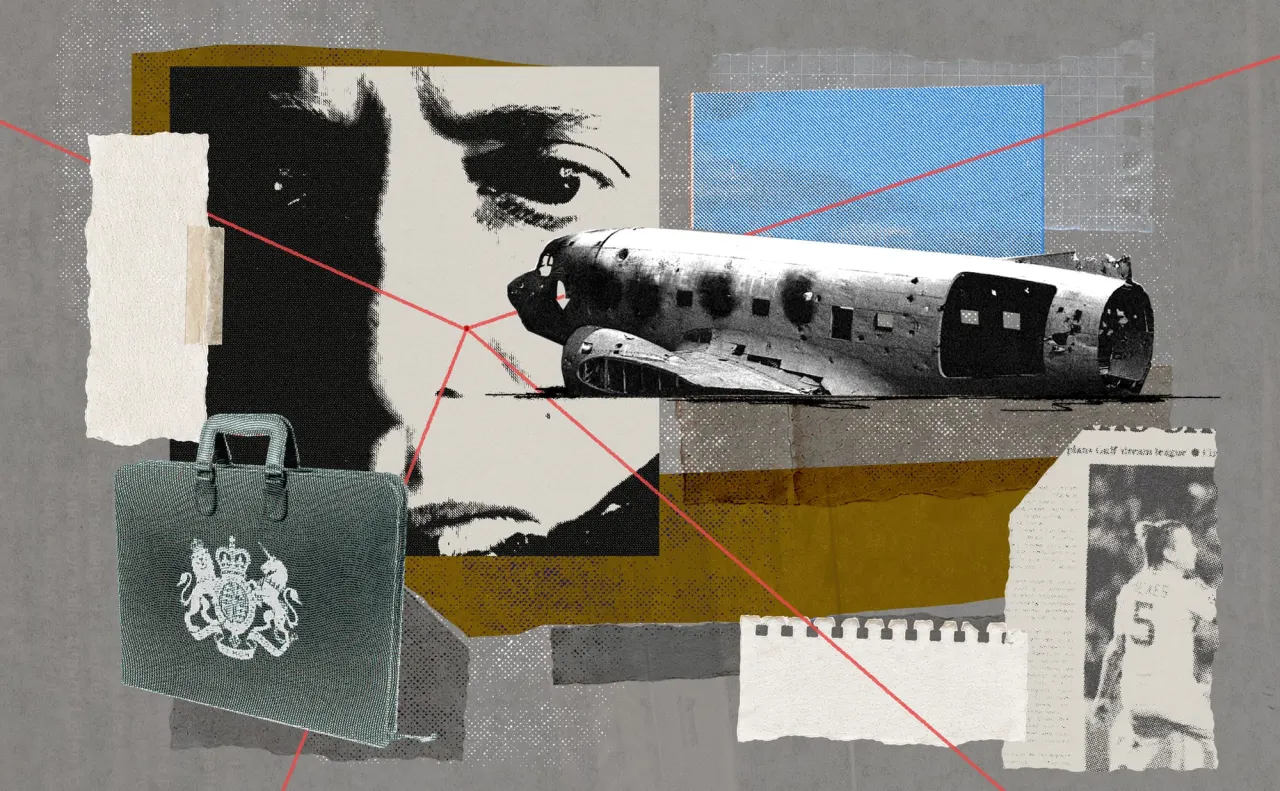
Rob Beal, a Sheffield man in his early 50s, has repeatedly persuaded news organisations to publish false stories about his supposed career and connections. The article revisits his apparent success as a media hoaxster and asks why he keeps doing it, while noting that even experienced journalists have been taken in.
The Times’ chief football correspondent Oliver Kay said he let his guard down after turning one of Beal’s bogus stories into headline news. French newspaper Le Monde has also described Beal as “the pro of fake scoops”, and journalist Nick Harris has documented many of his deceptions. The article says Beal continues to insist his claims are true, but the supplied text ends before revealing the outcome of the writer’s latest attempt to ask him why.
- Rob Beal has fooled journalists with fabricated stories.
- The Times and Le Monde have been taken in.
- His motives remain unclear in the available article text.
New here? Start with this
News organisations rely on sources to provide information, but claims often need checking before they are published. A hoaxster is someone who deliberately gives false information to deceive others, including journalists.
Rob Beal has been linked to false claims about his work and contacts, which have been repeated by several news outlets. The case involves journalists including Oliver Kay of The Times and Nick Harris, as well as the French newspaper Le Monde.
It matters because inaccurate reporting can mislead readers and damage trust in the news. The case also shows why journalists seek evidence and independent confirmation, even when a source seems convincing.