Thames Water seeks £2.4bn lifeline as cash could run out by 2027
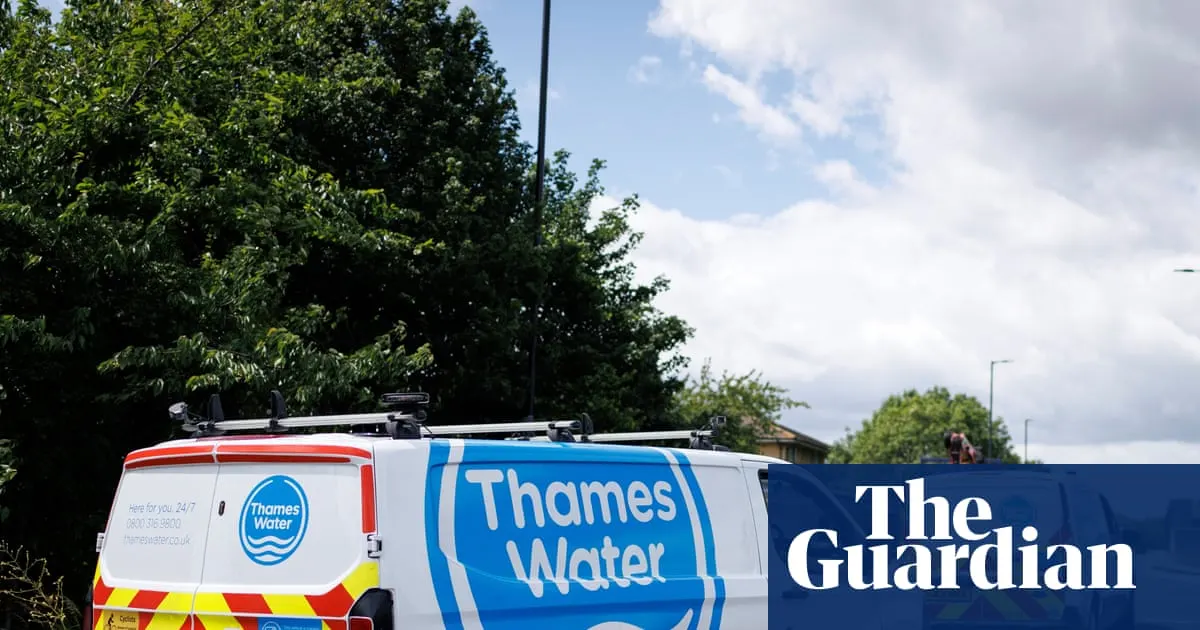
Thames Water has asked its creditors for an extra £2.4bn, warning it could run out of cash by the end of 2026 or early 2027 before a longer-term refinancing deal is agreed. The request highlights the urgency of efforts to rescue Britain’s largest water company, which serves 16 million people and has been weighed down by debt for several years.
The company has around £20bn in debt and has used £2.65bn of a £3bn emergency loan provided by creditors last year. Creditors’ rescue plan would write off £4bn in loans, but depends on regulator Ofwat waiving pollution fines, a condition that has faced political opposition. Thames Water says the new funding would extend its cash reserves into autumn 2027; creditors are expected to vote on their proposals later this month.
- Thames Water wants £2.4bn in extra funding.
- It may run out of cash by early 2027.
- A creditor rescue plan faces a dispute over pollution fines.
New here? Start with this
Thames Water supplies water and wastewater services to about 16 million people in London and south-east England. It is a privately owned company, and its debts have grown to around £20bn, putting pressure on its finances.
The company’s creditors are the lenders it owes money to. They have proposed a rescue plan that would write off some debt, but it depends in part on Ofwat, the water regulator, waiving pollution fines—a condition that has drawn political opposition. The company’s finances matter because it provides an essential service and any restructuring could affect customers, investors and public finances.
Both sides, in good faith
The strongest fair case each way — we don't pick a winner.
The case for
Providing the £2.4bn could keep essential water and wastewater services running for 16 million people while creditors and regulators work towards a longer-term solution. Supporters may argue that a managed rescue, including debt reduction, is less disruptive than allowing the company to run short of cash, provided the funding comes with credible oversight and reform.
The case against
Critics may argue that further creditor funding risks prolonging a failed financial model and could leave customers or the public bearing more costs without resolving underlying problems. They may also oppose waiving pollution fines, saying penalties should remain meaningful and that relief for the company could weaken accountability for environmental harm.
Read the full article at the source →
Originally published by The Guardian as “Thames Water asks for £2.4bn more to avoid going bust this year or early 2027”.