White House laughs off ‘beclowned’ Jimmy Kimmel after crude personal jabs at new press secretary
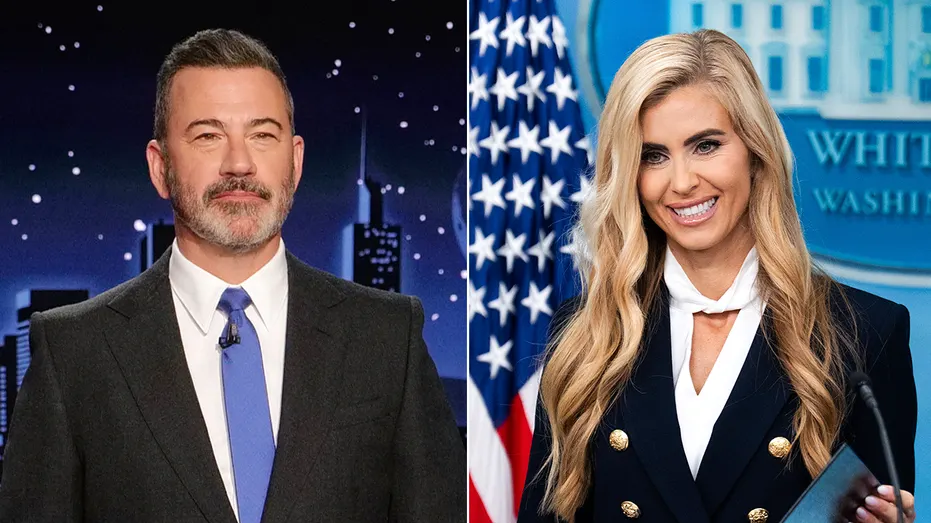
Jimmy Kimmel mocked new White House press secretary Katie Zacharia in two consecutive monologues, making personal remarks about her intelligence, appearance and qualifications. The White House dismissed Kimmel’s criticism and praised Zacharia, highlighting the tension between the comedian’s attacks and the administration’s defence of its new spokesperson.
Zacharia gave her first official briefing on Tuesday, lasting 14 minutes, after President Donald Trump announced her appointment on Friday. She previously worked as a senior communications adviser to Trump Media & Technology Group; during the briefing, she briefly called her husband “my president” before correcting herself. The New York Times described the appearance as a “bumpy debut”.
- Kimmel mocked Zacharia in two consecutive monologues.
- The White House condemned Kimmel and backed Zacharia.
- Her first briefing lasted 14 minutes.
New here? Start with this
The White House press secretary speaks to journalists on behalf of the US president and administration, answering questions and explaining their positions. The role can draw close attention, especially when a new press secretary faces the media for the first time.
Katie Zacharia was appointed by President Donald Trump after working as a communications adviser at Trump Media & Technology Group. Jimmy Kimmel is a US television comedian whose monologues often comment on public figures and politics; exchanges between entertainers and the White House can become part of wider debate about public criticism and political communication.
Both sides, in good faith
The strongest fair case each way — we don't pick a winner.
The case for
Kimmel’s defenders could argue that sharp satire is a legitimate way to scrutinise powerful officials, and that a press secretary’s public performance and qualifications are fair subjects for criticism. Personal jokes may also draw attention to a consequential appointment and an awkward first briefing, though critics can reasonably dispute whether these particular remarks made that case well.
The case against
Zacharia’s defenders could argue that criticism should address her public record and performance rather than her appearance or intelligence, which can turn scrutiny into personal humiliation. They may also see the White House’s defence as a reasonable response to attacks on a new official whose brief debut does not, by itself, settle her competence.