Cornell alumnus suspended on full pay after false online link to assault case
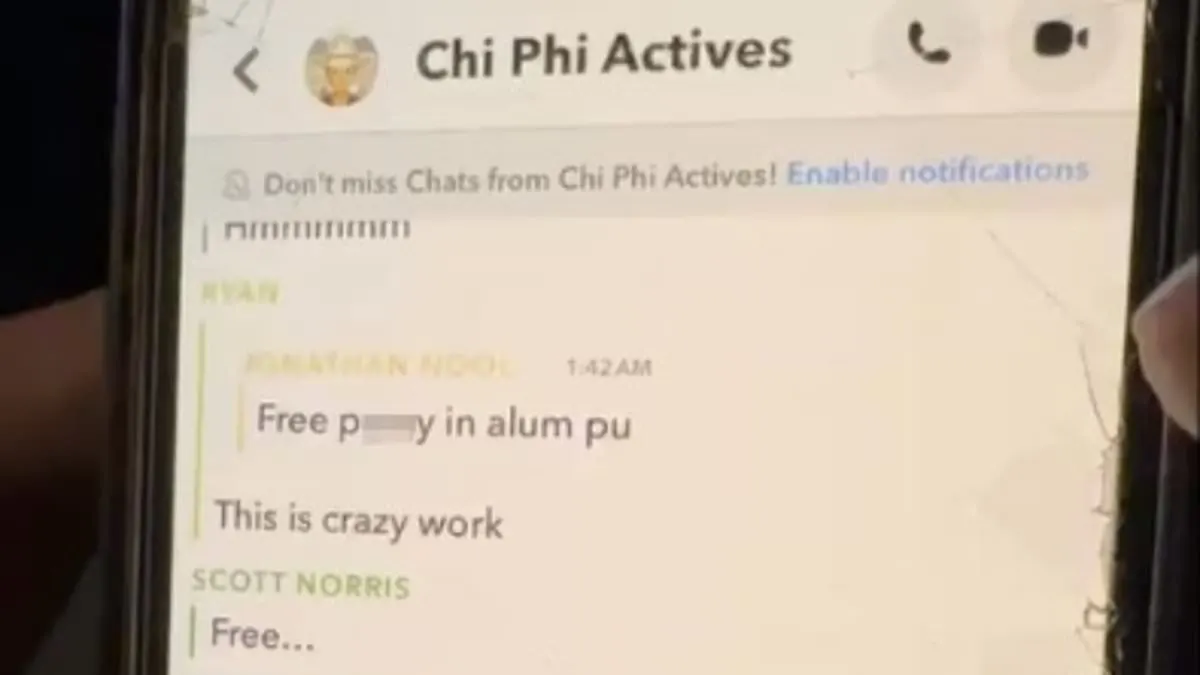
A Cornell alumnus was suspended on paid leave after online users wrongly identified him as part of a Snapchat group linked to a sexual assault lawsuit, his lawyer told the New Yorker. The case shows how misidentification online can have serious consequences for people who were not involved.
The alumnus, identified as B, had graduated months before the alleged October 2024 incident. A TikTok video using an outdated fraternity roster reportedly attracted more than two million views, and a website published personal details about him; its creator later removed his name after receiving a cease-and-desist notice. B says he has paused law school applications and that his family continues to face online targeting. The seven fraternity members named in the civil lawsuit deny the allegations, and no criminal charges have been filed.
- Cornell alumnus says he was wrongly linked to a sexual assault case.
- His employer placed him on paid leave after online messages.
- He says the fallout has affected his family and law school plans.
New here? Start with this
Cornell University is a private university in Ithaca, New York. The lawsuit concerns an alleged sexual assault in October 2024 and names seven members of a fraternity, a student social organisation; those members deny the allegations. No criminal charges have been filed.
Online, people can share names and personal details quickly, but an old roster or other information may not show who was involved in an event. In this case, a former student who had graduated months earlier was wrongly linked to the allegations. Misidentification can expose people and their families to public attention and affect their work or education, even when the link is later corrected.
Read the full article at the source →
Originally published by Daily Mail as “Blameless Cornell grad who completed studies before Jane Doe incident is suspended from his job after online sleuth falsely named him in connection with gang rape case”.