The musician Glenn Frey always wanted to leave Eagles: “Give me a call”
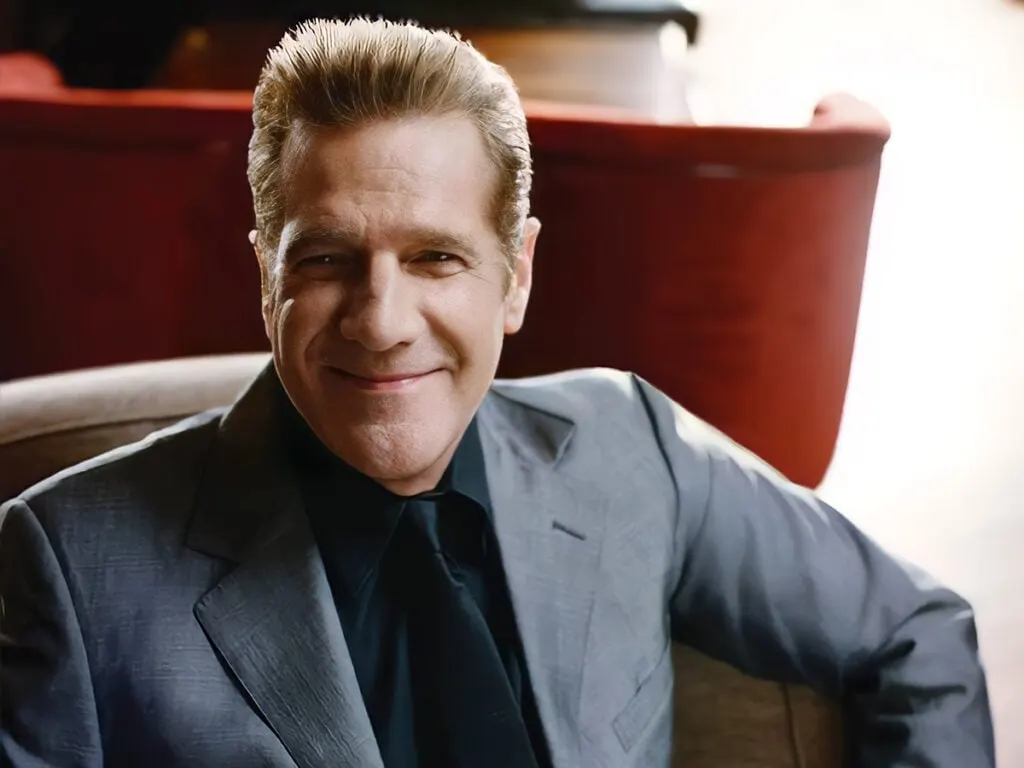
Glenn Frey wanted the Eagles to move beyond country rock and pursue a broader sound, which helped create tensions with guitarist Bernie Leadon. Frey believed Leadon’s rootsier musical preferences no longer matched the band’s direction, and expected Joe Walsh could eventually take his place.
Frey said the group had approached Walsh as early as 1975, and Walsh had told them to call if an opening arose. Leadon left before the Eagles made *Hotel California*, while Walsh joined and played his parts; the article argues the change helped the band pursue the sound of that album.
- Frey wanted the Eagles to expand beyond country rock.
- He saw Walsh as a potential replacement for Leadon.
- Leadon left before the band made *Hotel California*.
New here? Start with this
The Eagles are an American rock band formed in the early 1970s. Their early music blended rock with country influences, a style often called country rock.
Glenn Frey was a singer, guitarist and songwriter in the band, while Bernie Leadon played guitar and brought a strong interest in roots music. The group’s changing musical direction created differences between Frey and Leadon.
Joe Walsh, an established guitarist, had been approached about joining the Eagles before Leadon left. Leadon departed before the band recorded Hotel California, and Walsh joined; the album became one of the group’s best-known records.
Both sides, in good faith
The strongest fair case each way — we don't pick a winner.
The case for
Frey’s push to broaden the Eagles’ sound could be seen as necessary for the band’s artistic growth and wider appeal. Bringing in Joe Walsh offered a guitarist whose style better suited the direction Frey wanted to pursue, and the success of Hotel California suggests the change helped the group realise that ambition.
The case against
Leadon’s rootsier approach was part of what had made the Eagles distinctive, so moving away from it risked sacrificing an established identity for commercial reach. Replacing him with a musician already viewed as a potential successor may also be seen as sidelining a founding member rather than working through the band’s creative differences.