They asked for 80 homes – she gave them 157! Council-housing miracle named Britain’s best new building
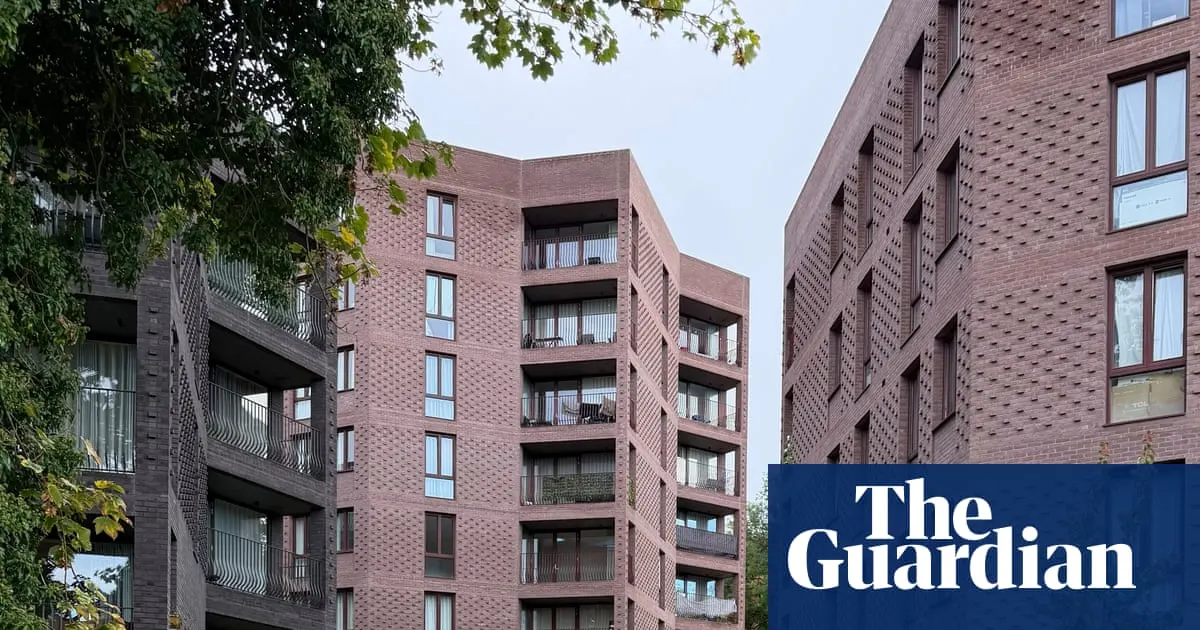
Lion Green Road, a council housing development in Croydon, has won the RIBA Stirling Prize, recognising it as the UK’s best new building. Designed by Mary Duggan Architects with Ruff Architects, the project shows how a dense housing scheme can fit into a suburban landscape while retaining greenery, public access and views.
The original brief called for 80 homes, but the completed scheme provides 157 flats across five brick towers on a steep, wooded site. The homes are dual aspect, with balconies, and the design retains mature trees and bluebell woodland; a public route crosses the site. The project was developed by Croydon’s council-owned company Brick by Brick, which was halted after the council went bankrupt in 2020.
- Croydon’s Lion Green Road has won the Stirling Prize.
- Five towers provide 157 homes instead of the 80 originally planned.
- The design retains woodland and provides a public route.
New here? Start with this
Croydon is a borough in south London, where the local council has a role in planning and providing housing. Councils can build homes themselves or use council-owned companies to develop sites.
Lion Green Road is a housing scheme on a steep, wooded site in Croydon. Its design combines flats with retained trees, woodland and a public route, raising questions about how new homes can fit into established neighbourhoods.
The project was developed by Brick by Brick, a company owned by Croydon Council. The council stopped the company’s work after it became effectively bankrupt in 2020, placing the development in the wider context of local government finances and housing provision.
Both sides, in good faith
The strongest fair case each way — we don't pick a winner.
The case for
The scheme makes a strong case for building more council homes on scarce urban land: it nearly doubled the original target while giving residents dual-aspect flats, balconies and access to nearby greenery. Its design also aims to fit the suburban setting, retain mature trees and keep a public route open, showing that higher density need not mean giving up every local amenity.
The case against
A thoughtful criticism is that doubling the number of homes on a steep, wooded site may put pressure on its landscape and change the character of the neighbourhood, even where trees and public access are retained. The development’s history also invites scrutiny of whether the council-owned company’s approach delivered lasting value and accountability, particularly given that it was halted after the council went bankrupt.