Researchers warned attackers could ‘defrost the food’ months before French supermarkets got hit
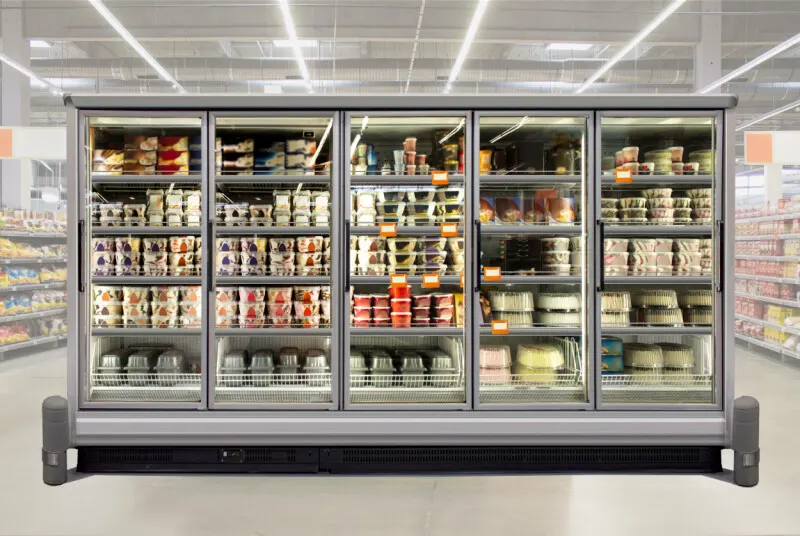
Cybercriminals compromised refrigeration controllers at nearly 700 French supermarkets, raising temperatures as high as 50°C and spoiling food, with fires also reported. The incident followed earlier warnings that flaws in internet-accessible controllers could let attackers take control, highlighting the risks posed by poorly secured industrial equipment.
Researchers at Claroty detailed vulnerabilities in Danfoss and Copeland controllers in August, while US authorities had issued related advisories earlier. A cyber insurance firm found 2,624 controllers with login pages exposed to the internet, including 1,506 Danfoss devices; 54 per cent of those Danfoss addresses were linked to French networks. Exposure does not mean every device was vulnerable, and 618 Danfoss devices were still online after the attacks.
- Attackers disrupted refrigeration at nearly 700 French supermarkets.
- Researchers had warned about controller flaws months earlier.
- Thousands of controllers had internet-facing login pages.
New here? Start with this
Supermarkets use refrigeration controllers to monitor temperatures and operate the equipment that keeps food cold. Some controllers can be reached over the internet, which may make them easier to manage remotely but can also expose them to cyber attacks if they are not properly secured.
Researchers had identified flaws in some Danfoss and Copeland controllers, and US authorities had issued related warnings. A security firm later found thousands of controller login pages visible online, including many linked to French networks; that did not establish that every device was vulnerable.
The issue matters because attacks on equipment that controls physical processes can disrupt shops and damage stock, as well as create safety risks. It also shows why organisations need to secure connected industrial devices, even when those devices are not ordinary computers.