Lucy Powell gives oracy equal status with reading and writing in curriculum plans
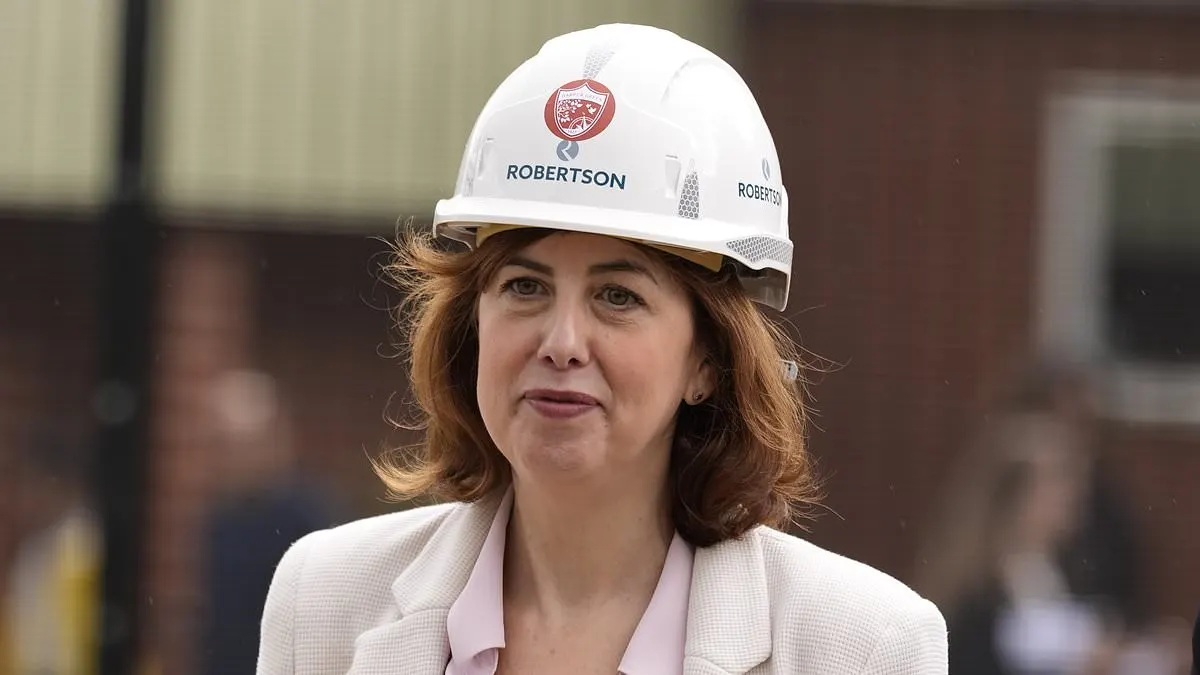
Education Secretary Lucy Powell announced that speaking, listening and communication will become a core part of the curriculum, with oracy given equal status to reading and writing in English. She said these skills matter for success at work and in life, particularly as artificial intelligence changes the workplace, and argued that every child should have the chance to develop them.
The proposal drew criticism from Conservatives, who warned that changing GCSE assessment could weaken academic standards and create confusion for schools. Speaking and listening assessments stopped counting towards English GCSE grades in 2013 after concerns about inflated marks. Powell also called for a system that rewards inclusion rather than exclusion, while maintaining that poor behaviour should have strong consequences.
- Oracy would have equal status to reading and writing.
- Critics say the GCSE changes could weaken standards.
- Powell also signalled a more inclusive approach to exclusions.
New here? Start with this
Oracy means the skills involved in speaking and listening, including explaining ideas and taking part in discussion. England’s national curriculum sets out what pupils are expected to learn, while GCSEs are qualifications taken by many pupils at around age 16.
Speaking and listening used to contribute to English GCSE grades, but stopped counting towards grades in 2013 after concerns about inflated marks. Schools still teach these skills, though how they are assessed can vary.
Lucy Powell is the Education Secretary, responsible for education policy in England. The debate matters because schools must balance developing communication skills for work and everyday life with keeping assessments consistent and standards clear.
Both sides, in good faith
The strongest fair case each way — we don't pick a winner.
The case for
Giving speaking, listening and communication equal standing with reading and writing could help all pupils develop skills used in education, work and civic life, especially as AI changes how people communicate and collaborate. Supporters may argue that assessing oracy more fully recognises learning that written exams miss and gives schools a reason to teach it systematically.
The case against
Critics may argue that making oracy part of GCSE assessment risks less consistent marking and could weaken confidence in grades, given earlier concerns about inflated speaking and listening marks. They may also worry that changing assessment and curriculum expectations could add uncertainty and workload for schools without clear evidence that the proposed approach will improve outcomes.
Read the full article at the source →
Originally published by Daily Mail as “Education Secretary is told children will be the losers after she said ‘speaking skills’ will be as important as reading and writing in new plans for GCSEs”.