Are student protests being manipulated ahead of France’s presidential election?
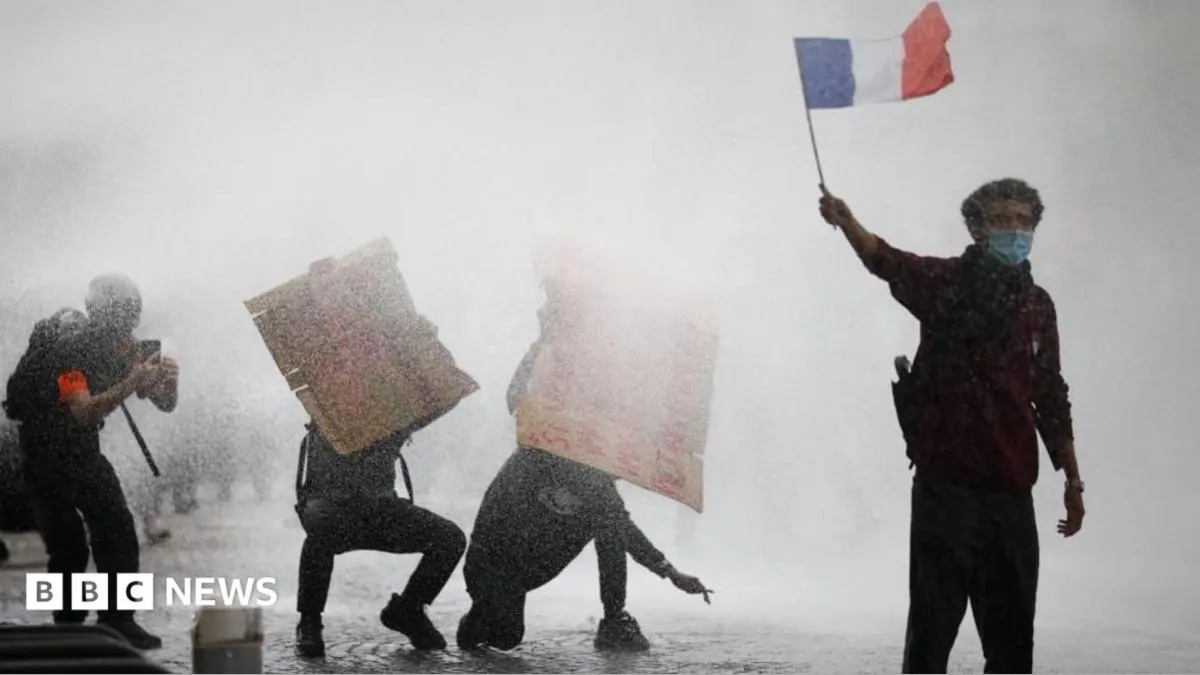
Thousands of French students have blockaded schools and protested for more than three weeks, with further demonstrations planned alongside trade unions and Yellow Vest figures. Prime Minister Sébastien Lecornu says the student movement may be being exploited by the radical left for electoral advantage ahead of next year’s presidential election, raising questions about how much the protests reflect students’ own concerns.
The demonstrations come amid high public debt, a divided parliament and repeated changes of prime minister. Economist Anne-Laure Delatte says France is not facing a crisis like Greece’s in 2012, and argues that investors expect the country could raise taxes if needed; she estimates a four-point VAT rise could raise €120bn. But tax rises or cuts to welfare and education could intensify public anger, while the European Central Bank might step in if French finances threatened other European economies.
- French students have protested for more than three weeks.
- Lecornu says the movement may be politically exploited.
- Debt pressures could make any fiscal response unpopular.
New here? Start with this
France’s students have a history of taking to the streets over education and wider political issues. Their protests can draw support from trade unions and other groups, making it difficult to tell how far a demonstration reflects students’ own priorities and how far it has become part of a broader political campaign.
The debate comes as France faces high public debt and a divided parliament, which has made it hard for governments to agree on budgets and stay in office. Investors lend money to the government, and their confidence affects how much borrowing costs; possible responses include raising taxes or reducing public spending, choices that can themselves prompt opposition.
France’s finances also matter to other European countries because they share the euro. The European Central Bank has tools to support the euro area if financial trouble spreads, though that does not remove the political choices France faces over taxes and spending.
Both sides, in good faith
The strongest fair case each way — we don't pick a winner.
The case for
It is reasonable to ask whether political groups are amplifying or redirecting the protests, especially as demonstrations are being joined by unions and Yellow Vest figures and an election is approaching. If outside actors are shaping the agenda, voters and the public should know, since organised pressure can affect debate and policy beyond the students’ own demands.
The case against
The protests may primarily reflect students’ genuine concerns about education, welfare and the country’s direction, rather than manipulation by parties. Political allies joining a movement do not show that students lack agency; dismissing the protests as electoral manoeuvring could sideline their concerns and avoid addressing the pressures that prompted them.