Shirley Jackson’s Most Disturbing Book Isn’t ‘The Haunting of Hill House’
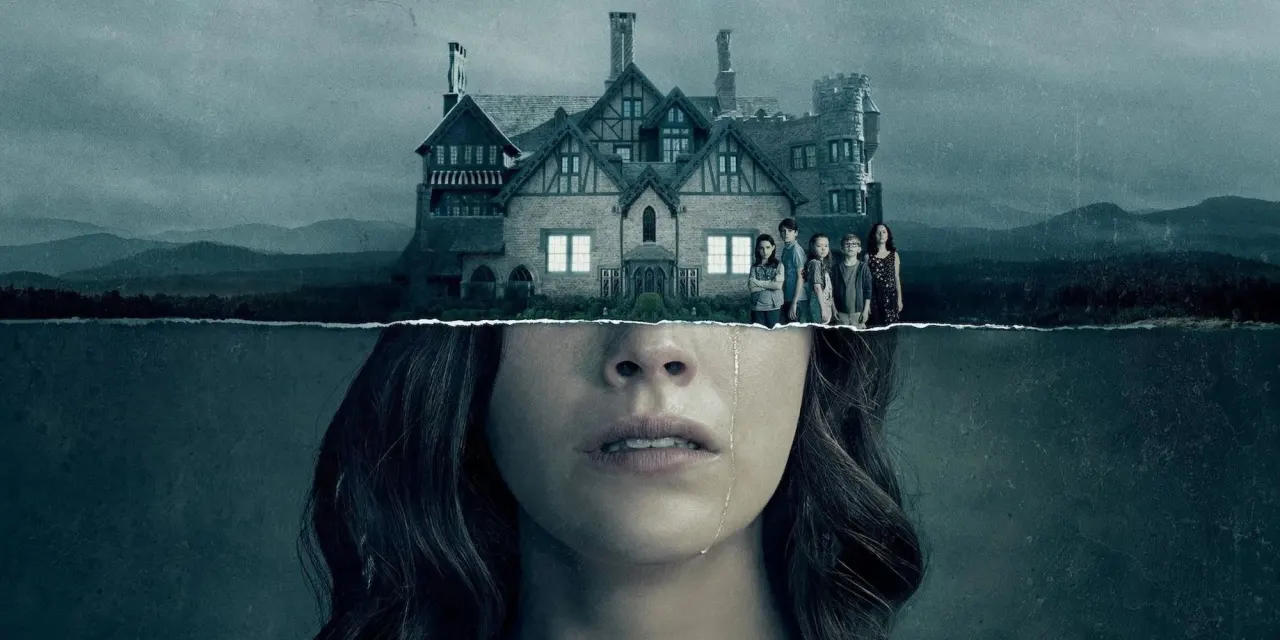
Shirley Jackson’s *We Have Always Lived in the Castle* is presented as a more disturbing achievement than *The Haunting of Hill House*. The article argues that its horror comes less from ghosts than from human cruelty, psychological torment and the Blackwood sisters’ increasingly closed world.
The story centres on 18-year-old Merricat, her agoraphobic sister Constance and their uncle Julian, the only survivors of an arsenic poisoning that killed four family members six years earlier. Though Constance was acquitted, the sisters face hostility from townspeople, while cousin Charles threatens their isolation and Merricat’s bond with Constance. The article highlights the novel’s themes of social exclusion, class prejudice, trauma and a love between sisters that is both tender and possessive.
- Jackson’s last novel is argued to be more disturbing than *Hill House*.
- Its horror stems from human cruelty and psychological confinement.
- The Blackwood sisters’ devotion is loving but deeply unsettling.
New here? Start with this
Shirley Jackson was an American writer known for unsettling stories about ordinary people and the communities around them. In We Have Always Lived in the Castle, the Blackwood family’s home becomes a refuge from a village that treats the surviving sisters with suspicion.
Merricat, 18, lives there with her sister Constance, who rarely leaves the house, and their uncle Julian. Six years earlier, arsenic killed four members of the family; Constance was acquitted, but the villagers continue to shun the household. When their cousin Charles arrives, he challenges the sisters’ secluded life and their close relationship.
The novel’s unease comes from the sisters’ isolation, the villagers’ hostility and the tensions within the family. It explores how trauma and social exclusion shape people’s lives, while leaving their bond both affectionate and controlling.
Both sides, in good faith
The strongest fair case each way — we don't pick a winner.
The case for
The novel can reasonably be seen as more disturbing than The Haunting of Hill House because its threat grows from recognisable human behaviour: the sisters’ isolation, the townspeople’s hostility and Merricat’s possessive attachment make cruelty and psychological harm feel close to everyday life. Its portrayal of trauma and social exclusion gives the horror a persistent emotional force beyond supernatural fright.
The case against
The Haunting of Hill House can reasonably be judged more disturbing because its uncertain, possibly supernatural menace makes fear feel pervasive and difficult to explain away. Its claustrophobic atmosphere and gradual destabilisation of the characters may unsettle readers more deeply, while Castle’s focus on a particular family and community can make its horror feel more contained.