Does the Premier League ‘Big Six’ still exist?
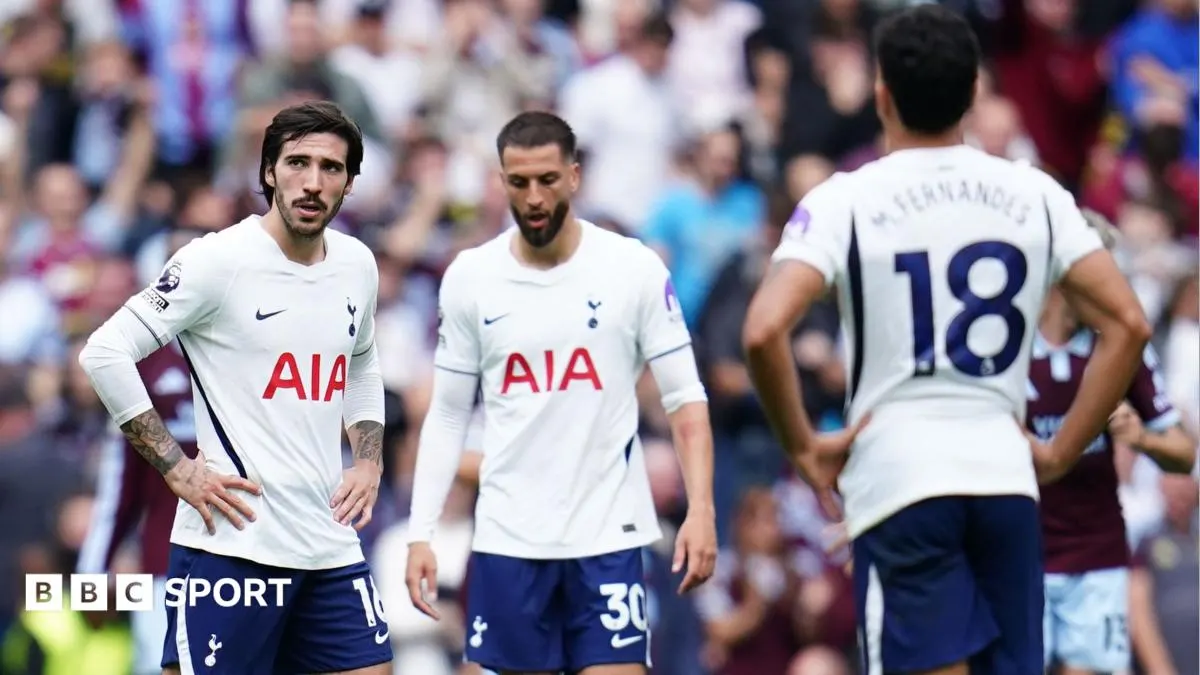
The Premier League’s traditional “Big Six” still have major financial clout, but their collective grip on the top places has weakened. Tottenham and Manchester United have struggled, while clubs such as Aston Villa, Newcastle and Brighton have challenged higher up the table.
Between 2010-11 and 2018-19, the six clubs occupied the leading positions five times; in only one of the six seasons since have they all finished in the top six. In the past three years, five top-six places have gone to other clubs, as Newcastle’s investment and Brighton’s data-led recruitment have helped narrow the gap. Brighton signed Moisés Caicedo for £4m and sold him to Chelsea for £115m, while also making large profits on Marc Cucurella and Alexis Mac Allister.
- The Big Six’s on-field dominance has faded.
- Rivals have taken five top-six places in three years.
- Newcastle’s investment and Brighton’s recruitment have helped close the gap.
Both sides, in good faith
The strongest fair case each way — we don't pick a winner.
The case for
The “Big Six” still exist as a group with exceptional financial resources, global followings and influence, even if their league positions have become less secure. Their recent struggles may be temporary: sustained income and the ability to attract elite players give them a strong chance of returning to the top places.
The case against
The label no longer describes a reliable sporting hierarchy: repeated top-six finishes by clubs outside the group show that rivals can compete through investment, recruitment and strong management. If Tottenham and Manchester United continue to underperform while clubs such as Newcastle, Aston Villa and Brighton rise, the league’s leading group is becoming more open and may need a new definition.