Why did Alfred Hitchcock say that “all actors are cattle?”
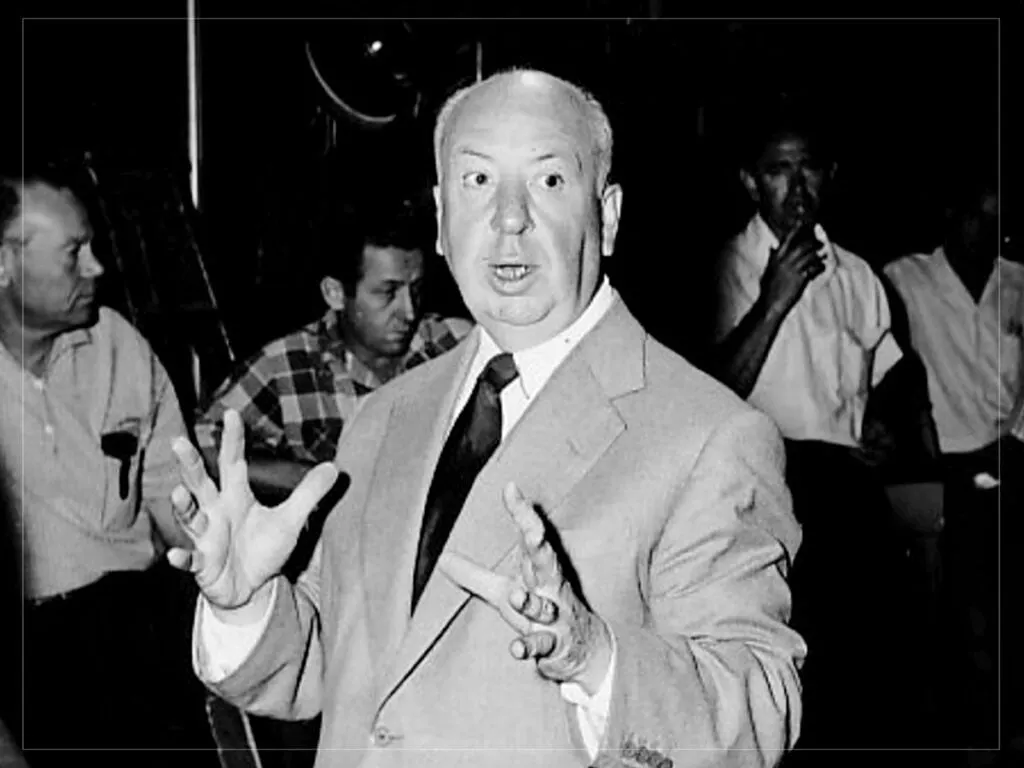
Alfred Hitchcock’s remark that “all actors are cattle” reflected his frustration with performers he felt were not fully committed to film shoots. But the article argues that the comment is harder to dismiss in light of his controlling treatment of actors, particularly women, and his tendency to cast similar blonde leading ladies.
In an interview with François Truffaut, Hitchcock linked the remark to actors who left filming to perform in stage matinees, which he said he had no use for. Carole Lombard once brought three cows to the set of *Mr and Mrs Smith*, labelled with actors’ names, as a joke about his remark. Hitchcock called his comment a generalisation, but added, “Maybe I meant it; maybe I didn’t mean it.” Tippi Hedren, who starred in *The Birds* and *Marnie*, later described unwanted advances and psychological distress in her memoir.
- Hitchcock blamed the remark on actors leaving film sets for stage matinees.
- Carole Lombard mocked the comment by bringing labelled cows to a set.
- Tippi Hedren later described Hitchcock’s unwanted advances.
Both sides, in good faith
The strongest fair case each way — we don't pick a winner.
The case for
Hitchcock’s remark can be understood as a provocative generalisation born of frustration with performers who, in his view, divided their attention between filming and other work. His defence of the director’s control over a production reflects a legitimate concern with commitment, continuity and the practical demands of making a film.
The case against
The remark also cast actors as objects to be managed, and its impact is harder to separate from accounts of Hitchcock’s controlling conduct towards performers, including Tippi Hedren’s account of unwanted advances and psychological distress. His repeated casting of similar blonde leading women may further invite scrutiny of how he treated and represented actresses, rather than allowing the comment to be dismissed as mere set humour.