TV viewers could be hit by new ‘Netflix tax’ as Lisa Nandy considers making fans of streaming services pay the £180-a-year licence fee
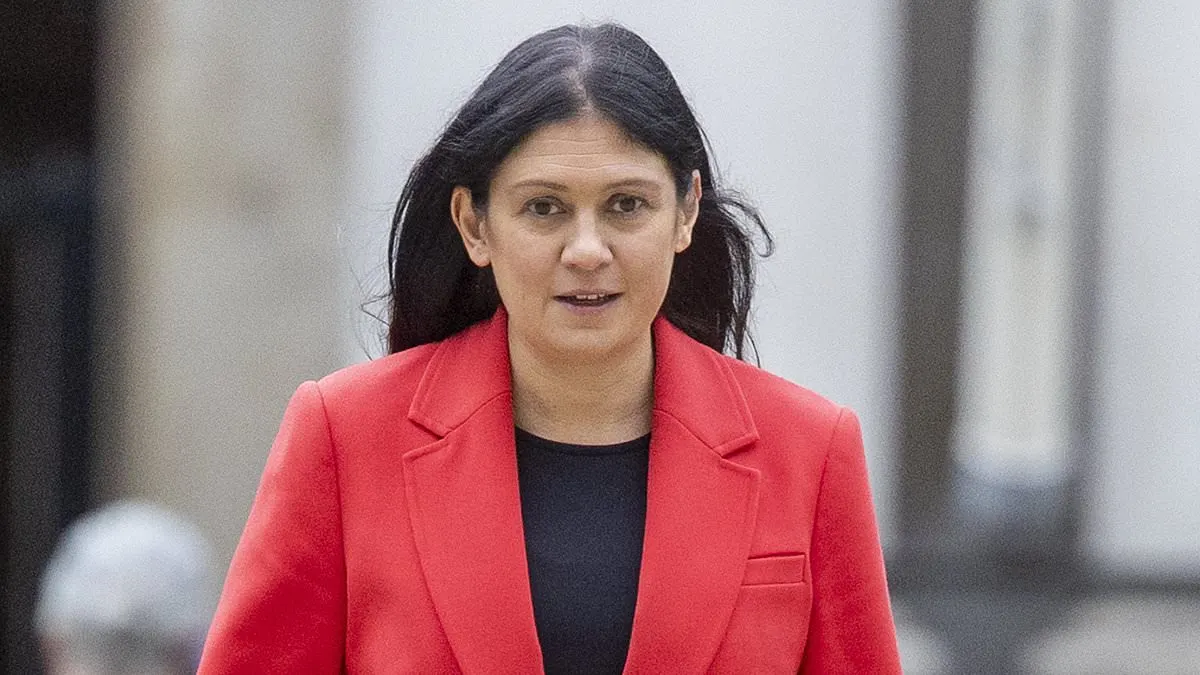
Culture Secretary Lisa Nandy is reportedly considering extending the £180 annual BBC licence fee to people who use streaming services, as part of plans to reform the BBC’s funding. The proposal could require viewers of services such as Netflix, Amazon, Disney+ and YouTube to pay even if they do not watch BBC programmes.
The BBC’s latest annual report recorded 23.3 million licences bought, 539,000 fewer than the previous year and nearly two million fewer than five years ago. The corporation says its licence fee income has fallen by £1.3 billion, or about 25 per cent, over the past decade; director-general Matt Brittin has backed reform, while a Conservative MP criticised the reported extension as unfair to streaming customers.
- Government is considering extending the £180 licence fee to streaming users.
- BBC licence purchases fell to 23.3 million in the latest year.
- The reported proposal is part of wider BBC funding reform.
New here? Start with this
The BBC is the UK’s public service broadcaster, funded mainly by a licence fee paid by households that watch live television or use BBC iPlayer. The fee is set by the Government and currently costs £180 a year. The BBC provides television, radio and online services across the UK.
Lisa Nandy is the Culture Secretary, responsible for Government policy on the BBC and its funding. The BBC’s director-general, Matt Brittin, leads the corporation. Streaming services such as Netflix, Amazon and Disney+ are paid for separately, and their subscribers do not currently pay the licence fee just for using those services.
Fewer licences have been bought in recent years, and the BBC says its income from the fee has declined. Changes to who pays could affect how the BBC is funded and what households are charged, while raising questions about how the fee should apply as viewing habits change.
Both sides, in good faith
The strongest fair case each way — we don't pick a winner.
The case for
Extending the licence fee to streaming users could help stabilise BBC funding as licence purchases and income decline, preserving a widely available public broadcaster and its news, education and cultural services. Supporters could argue that the BBC benefits society beyond its direct viewers, so asking streaming households to contribute recognises its broader public value and spreads the cost more widely.
The case against
People who choose not to watch the BBC could reasonably object to paying a substantial annual charge simply because they subscribe to a private streaming service. Critics could argue that this weakens the link between payment and use, adds pressure to household budgets, and risks making streaming customers subsidise a broadcaster whose funding model should instead be reformed or supported through a different, more clearly accountable arrangement.