The 1991 Genesis song that took aim at televangelist fraudsters and sold 4,000,000 copies
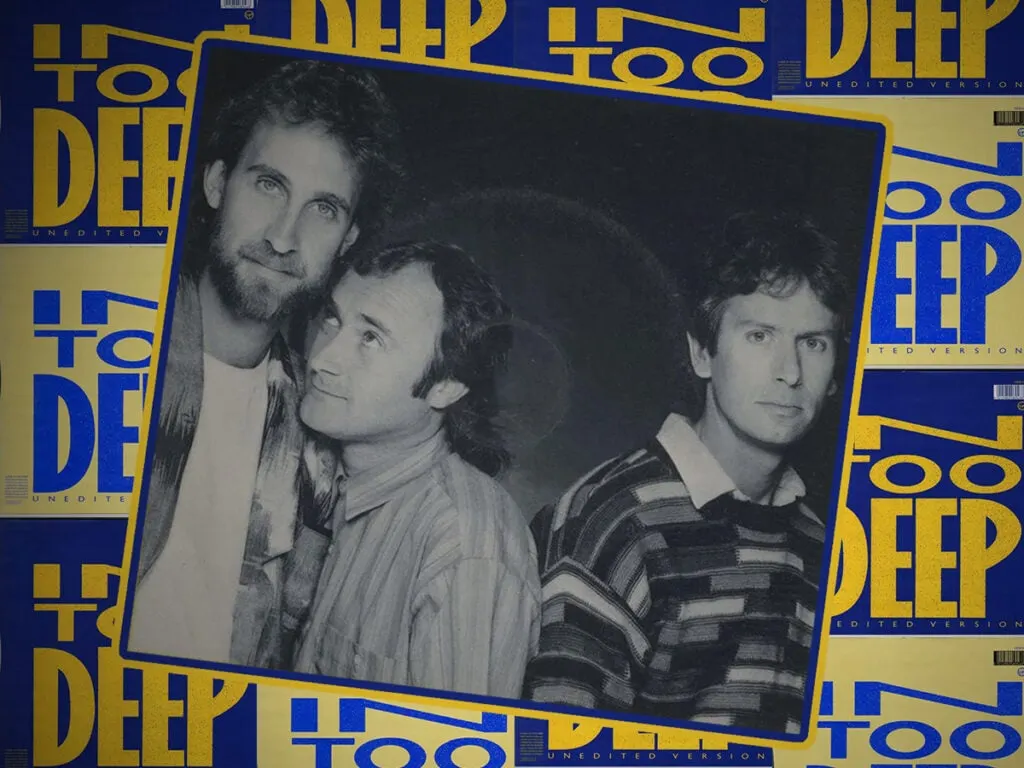
Genesis’ 1991 single “Jesus He Knows Me” satirised televangelists who used religious broadcasts to exploit believers for money. Its pointed lyrics and Phil Collins’ performance in the video made the song a commercial success as well as a critique of religious fraud.
The article says Collins based his televangelist character on Ernest Angley, who reportedly admired the song without recognising its criticism of his profession. The single sold four million copies and reached the top 20 in several countries; its album, *We Can’t Dance*, sold 19 million copies and went multi-platinum in the UK and US. The article connects the song’s subject to renewed interest in Christian music and values, arguing that some contemporary public figures use faith for financial or political gain.
- Genesis mocked televangelists who profited from believers.
- The single sold four million copies worldwide.
- The article links its themes to modern uses of Christian identity.
New here? Start with this
Televangelists are religious broadcasters who preach on television and often ask viewers to donate money. Some have faced accusations of using their programmes to enrich themselves or mislead believers, raising questions about trust and accountability in religious life.
Genesis were a British rock band, and Phil Collins was their singer when they released “Jesus He Knows Me” in 1991. The song mocked televangelists who used faith to solicit money, drawing on a wider debate about the influence of religious broadcasting and the risk of exploiting people’s beliefs.