Timothy Busfield Gets Sexual Abuse Indictment Tossed Over Prosecutors Failing “To Act In A Fair & Impartial Manner”; DA “Evaluating Our Options”
Developing story first seen 1 hour ago
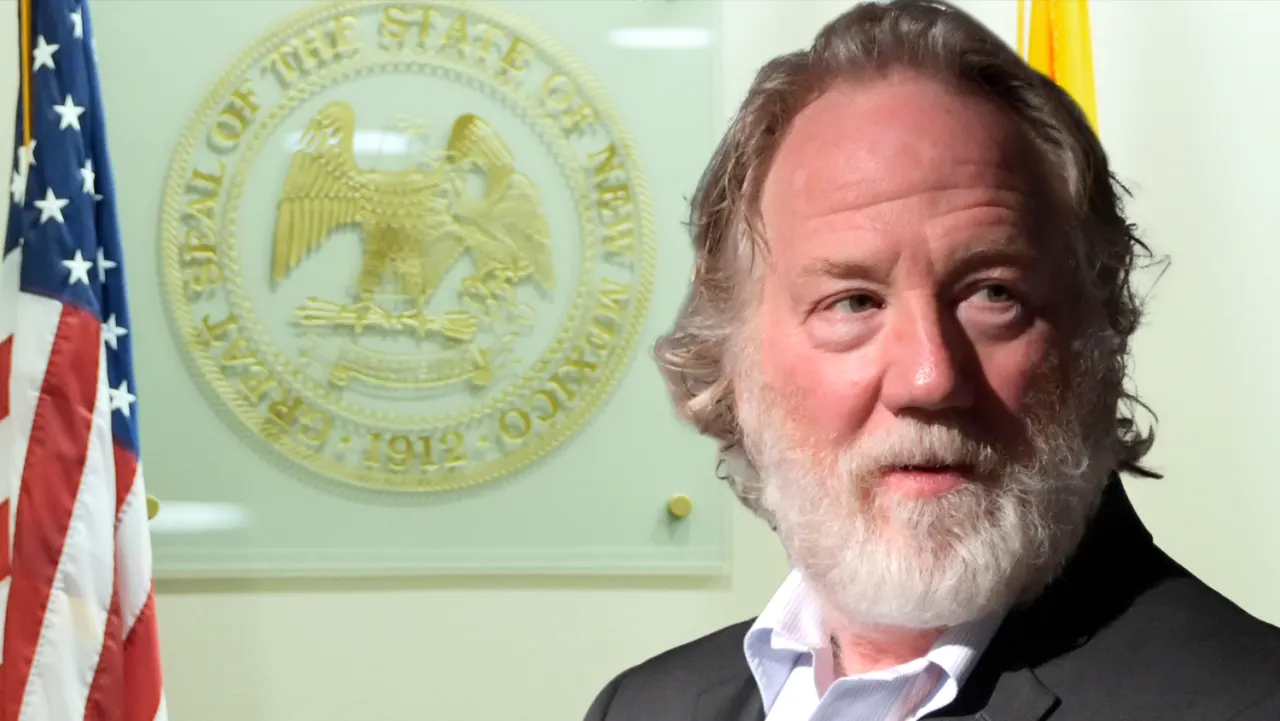
The New Mexico judge has dismissed Timothy Busfield’s indictment, finding that prosecutors failed to act fairly and impartially during the grand jury process. The ruling is a setback for the prosecution, though the judge has allowed the district attorney’s office to start new criminal proceedings.
The grand jurors requested to hear from witnesses who had not been presented, but the judge said prosecutors used an unexplained procedure to withhold them and did not properly explain the rules for calling witnesses. Busfield had faced two counts of criminal sexual contact with a minor and child abuse over allegations involving two boys on the set of *The Cleaning Lady*, which he has denied. Each count carried a maximum sentence of six years, and the district attorney’s office said it was evaluating its options.
- Judge dismisses Busfield’s indictment over grand jury process.
- Prosecutors may bring new criminal proceedings.
- Busfield denies the allegations.
New here? Start with this
Timothy Busfield is an American actor and director, known for roles in television and film. The case concerns allegations that he sexually abused two boys; Busfield has denied them.
In New Mexico, a grand jury reviews evidence and decides whether there is enough basis to bring criminal charges. Prosecutors present evidence to the grand jury, and the judge’s ruling focused on their handling of its requests to hear from witnesses.
The decision affects the current charges but does not itself decide whether the allegations are true. Prosecutors may consider whether to pursue the case through a new process.
Both sides, in good faith
The strongest fair case each way — we don't pick a winner.
The case for
The judge’s ruling supports the view that a serious criminal case must be brought through a fair and impartial process, especially where the grand jury requested witnesses whom prosecutors did not call. Dismissing the indictment protects the integrity of that process and leaves prosecutors free to consider bringing new charges through proper procedures.
The case against
The dismissal concerns how the grand jury process was handled, not whether the allegations are true, and the reported facts do not resolve the merits of the case. From this perspective, ending the indictment may delay accountability and impose further strain on the boys and their families; prosecutors could seek a new indictment while ensuring the process is fair.