Chinese visitors pay to experience controlled disaster simulations
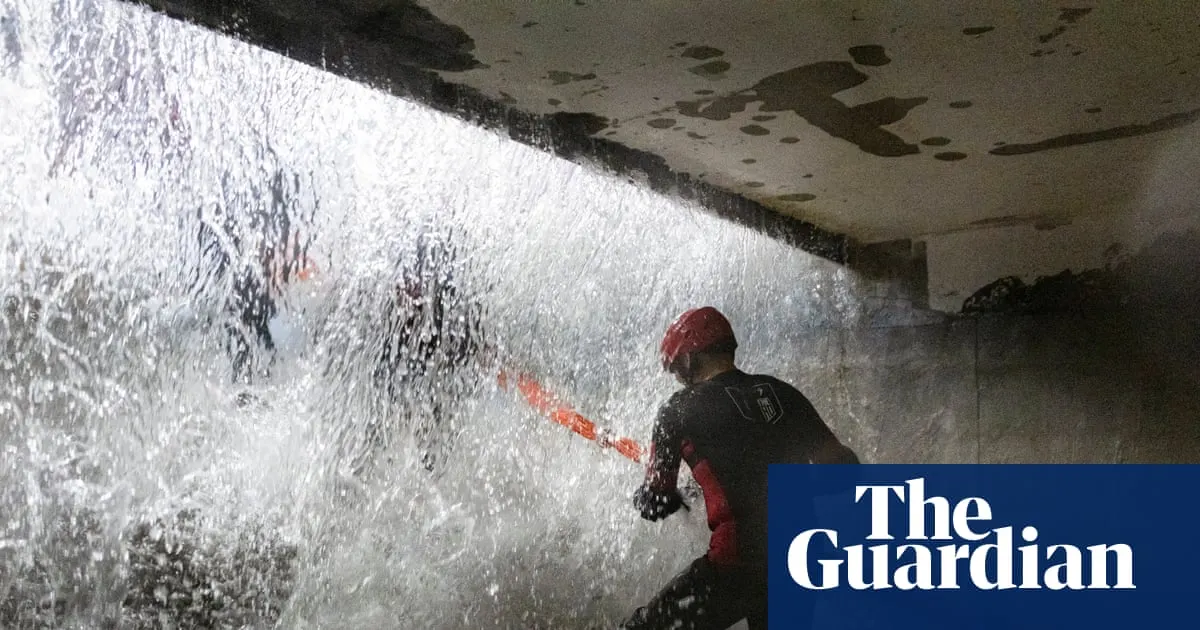
Chinese tourists are increasingly paying for intense experiences that simulate disasters, including typhoons and floods. The trend blends entertainment with safety education, as visitors seek to feel what an emergency might be like in a controlled setting.
At a 200,000-square-metre centre in Hangzhou, visitors experience simulated extreme weather; one participant travelled more than 1,300km to take part. China recorded 10 typhoons in 2025, above its long-term annual average, and disasters affected 67 million people. Government guidance issued in 2024 encouraged immersive disaster education, while new centres are also planned.
- Simulated disasters are drawing young Chinese tourists.
- Visitors say they gain practical emergency skills.
- The trend is growing amid frequent extreme weather.
New here? Start with this
China is exposed to natural hazards including typhoons, which bring strong winds and heavy rain, and floods, which can damage homes and disrupt daily life. The country’s size and varied climate mean communities face different risks, and disaster preparedness is a public safety concern.
Immersive centres use controlled effects to recreate parts of an emergency, giving visitors a chance to experience conditions such as heavy rain or strong winds. Such activities combine recreation with lessons about how to respond, reflecting wider efforts to make disaster education more practical and accessible.
Asia Business Culture Software Technology Travel World
Read the full article at the source →
Originally published by The Guardian as “China’s tourists flock to experience a pretend typhoon as ‘dark tourism’ flourishes”.