Hear Me Out: Marvel finally realised it could never make prestige TV, so it gave up
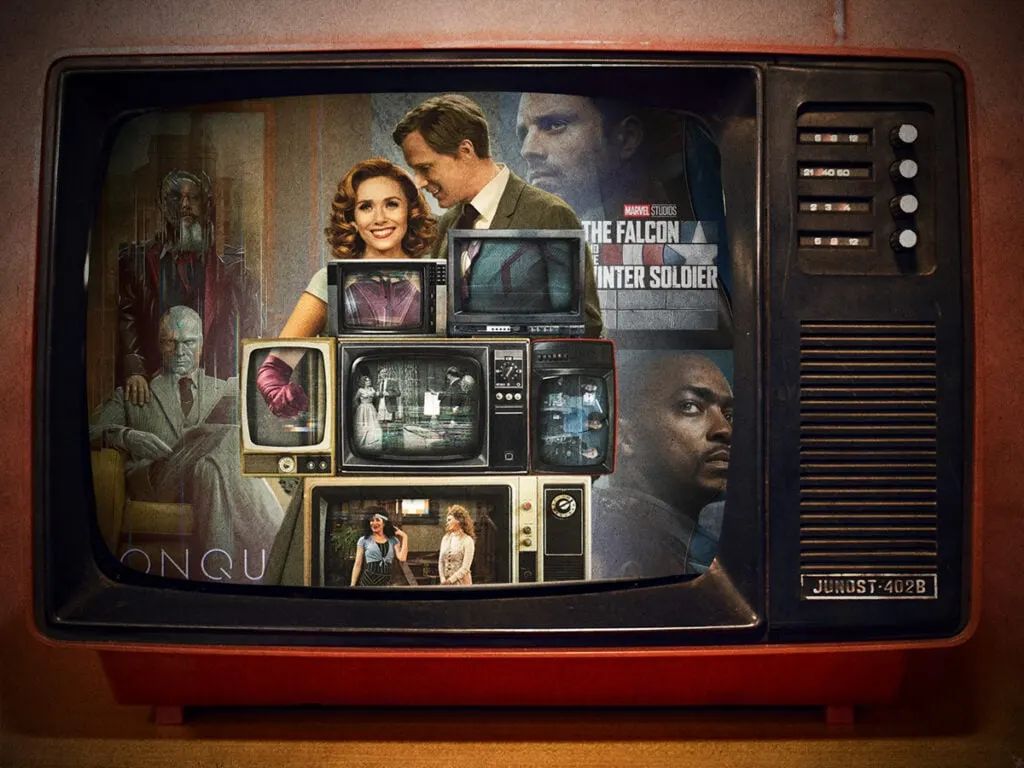
The article argues that Marvel’s Disney+ strategy has failed to deliver prestige television, and that *VisionQuest* signals the studio is drawing its small-screen era to a close. It says the problem was not adapting supporting characters for television, but the shows’ execution: they were neither distinctive enough to stand apart as prestige drama nor consequential enough to feel like major MCU films.
The piece attributes this to Marvel’s film-style production process, including reshuffled writers’ rooms, reshoots and close oversight, which it says are ill-suited to serial storytelling. It points to *WandaVision* as an initially experimental series that later returned to familiar MCU explanations and a CGI battle, and argues that *VisionQuest* revisits a digital dreamscape without offering much new development for Paul Bettany’s Vision. The show is presented as the next chapter in a trilogy with *WandaVision* and *Agatha All Along*, while the article describes the upcoming final season of *Daredevil: Born Again* as a continuation of a series that began on Netflix.
- The article says Marvel’s television slate has struggled to achieve prestige.
- It blames film-style production methods for weakening serial storytelling.
- It argues *VisionQuest* offers limited new ground for Vision.
New here? Start with this
Marvel is the company behind the Marvel Cinematic Universe, a connected set of superhero films and television series owned by Disney. Its Disney+ shows have followed characters who often had smaller roles in the films, including Wanda Maximoff and Vision, played by Elizabeth Olsen and Paul Bettany.
The shows sit between two expectations: they can tell longer stories than films, but are also part of a franchise whose films share characters and plotlines. WandaVision and Agatha All Along form part of a story about Wanda and those around her, while VisionQuest is planned as its next chapter. Daredevil: Born Again continues a character’s story from a series first made for Netflix.
The debate is about whether Marvel’s television work has developed its own style and made good use of the format. How the studio handles these series matters to viewers following the wider MCU, as well as to those looking for self-contained television dramas.
Both sides, in good faith
The strongest fair case each way — we don't pick a winner.
The case for
Marvel’s Disney+ shows have often struggled to feel either as formally distinctive as prestige television or as essential as its films, and the article’s examples suggest that franchise oversight and late production changes can constrain serial storytelling. Bringing this phase to a close could let Marvel focus its resources and give future television projects clearer purposes and more room to develop characters beyond familiar MCU plot mechanics.
The case against
The shows can be seen as an evolving format rather than a failed bid for prestige: a connected franchise may reasonably prioritise continuity, accessible storytelling and character pay-offs over the conventions of standalone drama. Revisiting Vision and continuing stories such as Daredevil’s may still offer audiences meaningful development, while drawing conclusions from a few uneven series risks overlooking what the television format can do when its aims are better matched to its strengths.