‘Crystal Lake’ Officially Rewrites ‘Friday the 13th’s Most Iconic Scene
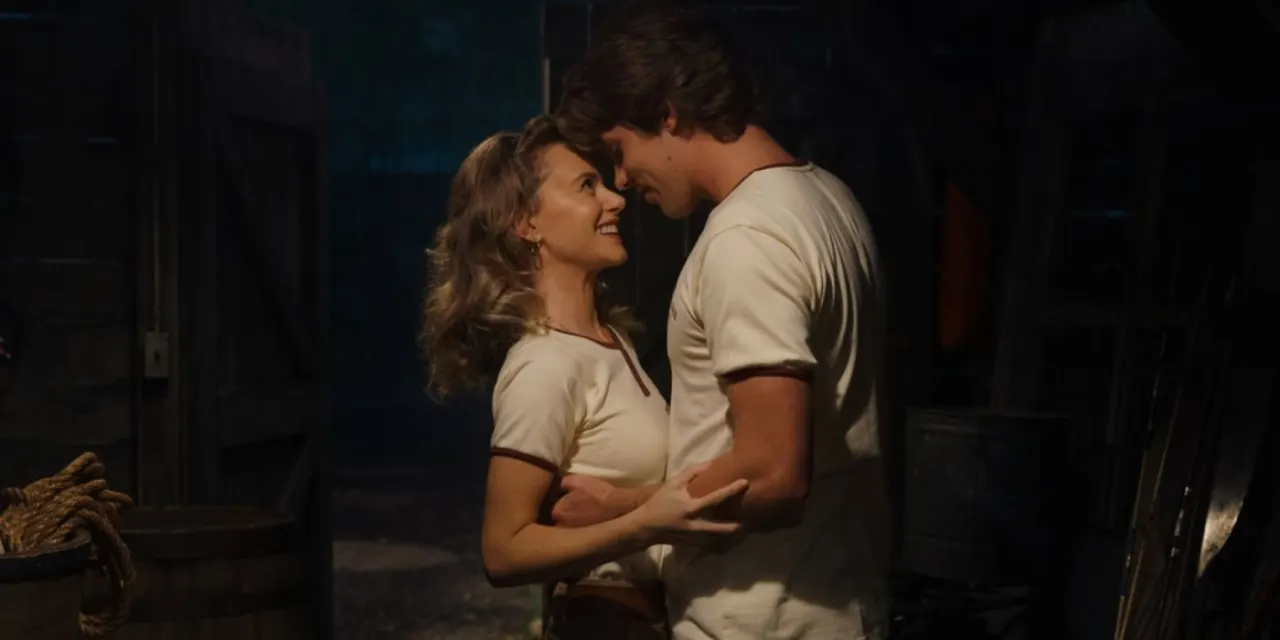
*Crystal Lake*, the *Friday the 13th* prequel series, recreates the original film’s opening killing of camp counsellors Barry and Claudette, but changes who is behind it. The twist alters a scene that helped establish the first film’s mystery about the killer’s identity.
The original 1980 film opens in 1958, with an unseen assailant killing Barry and Claudette at Camp Crystal Lake; Pamela Voorhees is revealed as the killer later. The series, starring Linda Cardellini as Pamela, is set in the 1970s and introduces the same-named counsellors before Jason’s drowning. The article says the new version initially recreates the scene, then delivers a twist that makes the iconic moment less effective.
- *Crystal Lake* revisits the original film’s opening killing.
- The prequel changes the scene’s context with a twist.
- Linda Cardellini plays Pamela Voorhees.
New here? Start with this
Friday the 13th is a horror film series centred on Camp Crystal Lake, a summer camp linked to a string of killings. The first film, released in 1980, begins with two counsellors, Barry and Claudette, being killed by an unseen attacker in 1958.
The opening leaves the attacker’s identity unclear; later, the film reveals that the killer is Pamela Voorhees, the mother of Jason Voorhees. The prequel series Crystal Lake is set in the 1970s and features Pamela, played by Linda Cardellini, before Jason drowns. The opening killing matters because its mystery helped shape the original film’s story.
Both sides, in good faith
The strongest fair case each way — we don't pick a winner.
The case for
Revisiting the opening killing with a different person behind it could give a familiar franchise new dramatic meaning and help the prequel stand on its own. By changing the audience’s understanding of a scene whose mystery is already well known, the series may create surprise while exploring how the events around Jason and Pamela developed.
The case against
The original scene’s power came from its carefully sustained mystery and its later connection to Pamela’s reveal, so changing who commits the killing may weaken that structure. Recreating the moment before overturning its meaning could feel like a twist for its own sake, making a defining scene less effective and frustrating viewers who value continuity.