Forget Narnia, C.S. Lewis’ Best Book Trilogy Masterfully Combines Sci-Fi and Fantasy
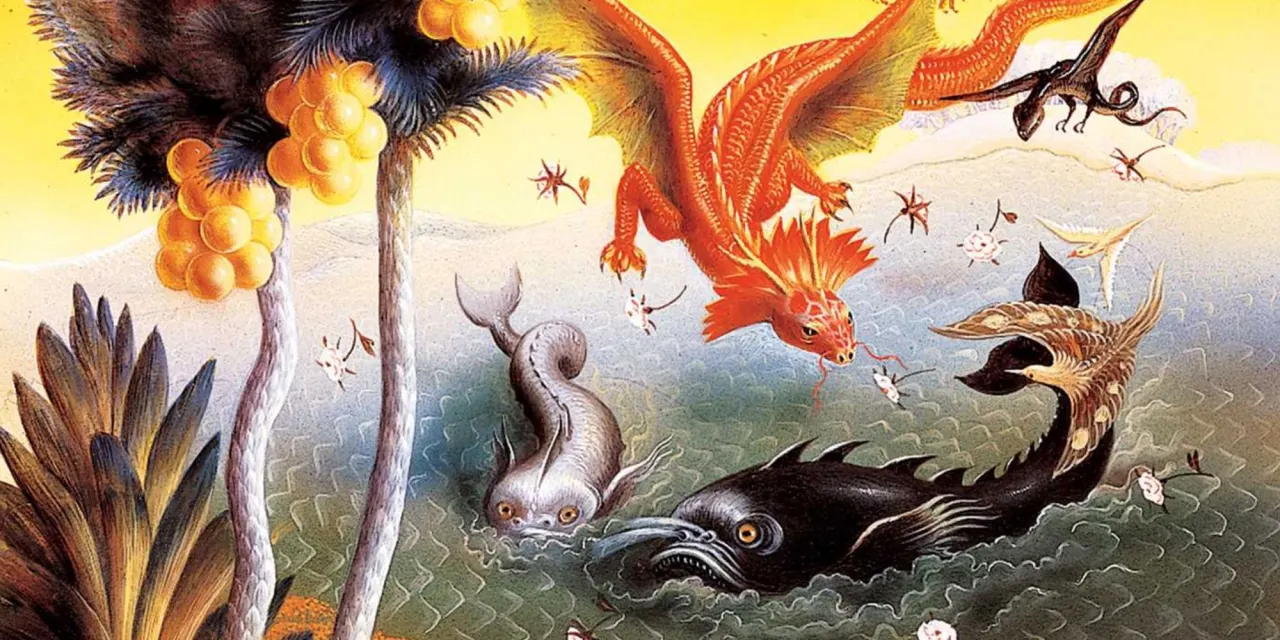
C.S. Lewis’s Ransom Trilogy combines science fiction, fantasy and philosophical themes, taking readers from Mars and Venus back to Earth. The article argues that the lesser-known series deserves more attention because its space adventures build towards a story about spiritual conflict and society’s moral direction.
The trilogy comprises *Out of the Silent Planet* (1938), *Perelandra* (1943) and *That Hideous Strength* (1945). Its protagonist, Dr Elwin Ransom, encounters alien worlds and their spiritual overseers before confronting the N.I.C.E. think tank on Earth, which seeks to reshape society. The final book also brings Arthurian legend into the series’ cosmic framework.
- Lewis’s Ransom Trilogy blends science fiction, fantasy and theology.
- Ransom travels to Mars and Venus before returning to Earth.
- The trilogy’s finale connects cosmic conflict with Arthurian legend.
New here? Start with this
C.S. Lewis is best known for The Chronicles of Narnia, a series of children’s fantasy books. He also wrote the Ransom Trilogy, a set of novels for adults published between 1938 and 1945, blending space travel with fantasy and religious ideas.
The central character, Dr Elwin Ransom, travels to Mars and Venus, where he encounters alien life and spiritual beings. In the final novel, the story returns to Earth, where a powerful research organisation called the N.I.C.E. seeks to reshape society; Arthurian legend also becomes part of the story.
The trilogy moves between imagined worlds and questions about human nature, power and society’s future. Its mix of science fiction, fantasy and religious themes places it across several literary traditions.
Both sides, in good faith
The strongest fair case each way — we don't pick a winner.
The case for
The Ransom Trilogy merits more attention because it joins imaginative space adventure with questions about faith, power and the moral direction of society. Its movement from alien worlds to an Earthly struggle, capped by its use of Arthurian legend, gives the series an ambitious shape that may reward readers seeking more than conventional fantasy.
The case against
The trilogy’s blend of science fiction, fantasy and explicitly spiritual themes may feel uneven or overly didactic to readers who prefer tighter genre boundaries or less philosophical exposition. Its reputation as a lesser-known work may also reflect the enduring appeal and accessibility of Lewis’s Narnia books, rather than an oversight that requires correction.