Microplastics React With Water, a New Study Says. That’s a Problem for Biology
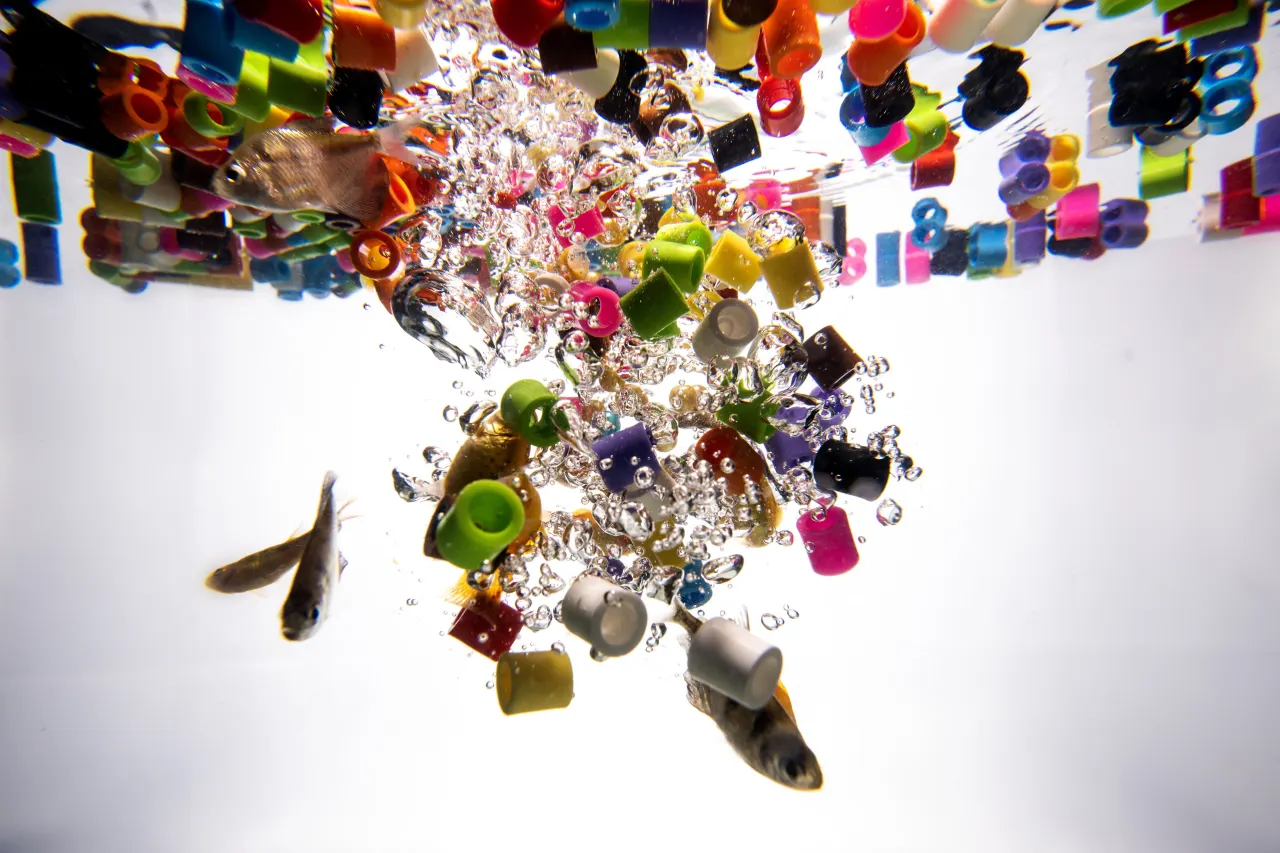
Scientists at Columbia University and UC Berkeley found that water can make microplastic surfaces chemically active, producing reactive compounds that may damage living cells. The study matters because it identifies a possible route by which microplastics could affect biology, even without sunlight or other agents that degrade plastic.
The researchers say smaller fragments have more surface area available for reactions and can generate reactive oxygen species, including hydroxyl radicals. These can damage proteins and fats in cell membranes, and may overwhelm the body’s antioxidant defences, causing oxidative stress. In experiments, mouse red blood cells exposed to different microplastics became deformed and ruptured; the effect was greater for plastics more reactive with water. How much microplastic is present in human tissues remains disputed, and the study does not establish the extent of any health effects in people.
- Water may make microplastics chemically active.
- Reactive compounds could damage cells.
- Mouse red blood cells ruptured in experiments.