Emimen Defends Kid Rock Collab: “Just Choosing to Make Music with My Old Friend”
Developed over time first seen 1 day ago
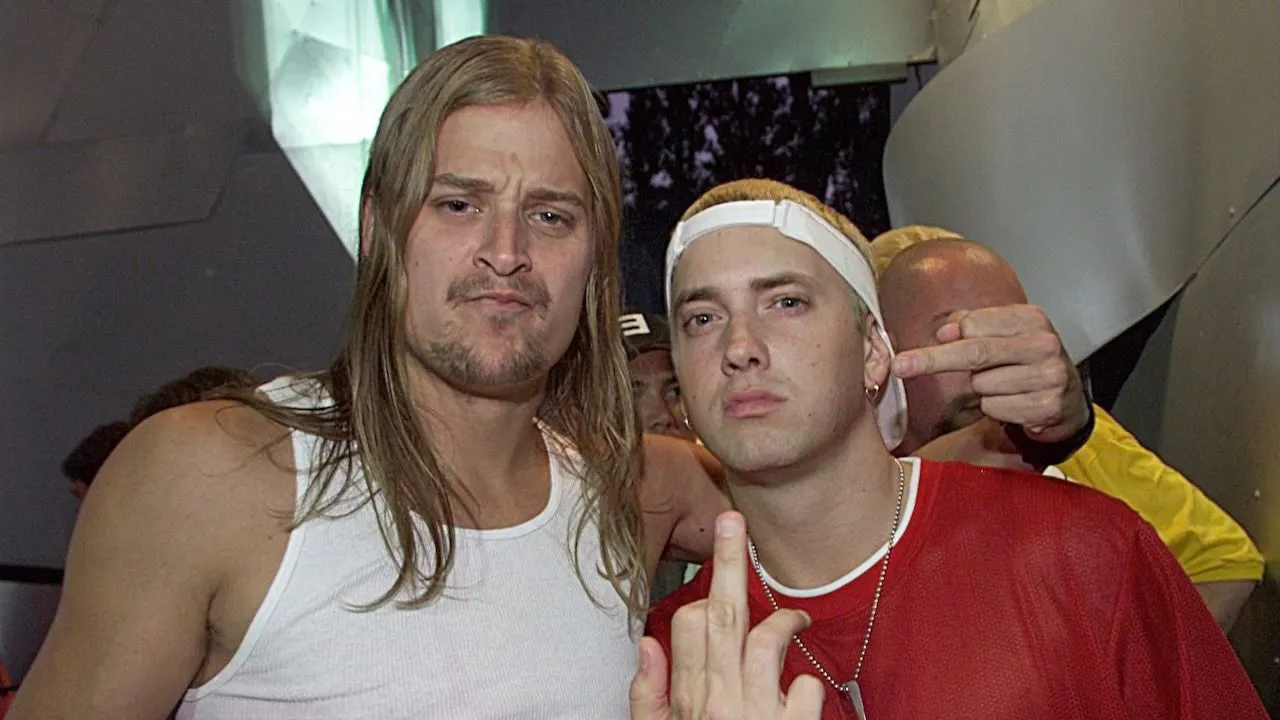
Eminem has defended appearing on Kid Rock’s new Christian music album, *Halfway 2 Jesus*, describing the collaboration as making music with an old friend rather than choosing political sides. Their song, “Heal My Faith”, presents their long friendship as an example of people with differing views staying connected.
In his verse, Eminem calls Kid Rock his brother rather than a political enemy and says people with liberal or evangelical beliefs can find common ground. Kid Rock echoed that message in the album’s foreword, saying he hopes their friendship encourages people who have fallen out with friends or family over differences in opinion.
- Eminem appears on Kid Rock’s Christian album.
- “Heal My Faith” reflects on their decades-long friendship.
- Both artists hope it can encourage people to bridge differences.
New here? Start with this
Eminem, whose real name is Marshall Mathers, is a rapper from Detroit known for his solo music and collaborations. Kid Rock is an American musician whose work spans rock, rap and country, and he has publicly expressed conservative political views.
The two have known each other for many years and have worked together before. Their friendship has drawn attention because they are associated with different political outlooks, and the story touches on whether personal relationships can continue across those differences.
Christian music is music that draws on Christian faith or themes. The collaboration matters to fans and listeners interested in how musicians’ public identities, beliefs and long-standing friendships intersect.
Both sides, in good faith
The strongest fair case each way — we don't pick a winner.
The case for
The collaboration can be seen as a genuine act of friendship and a reminder that political disagreement need not end personal relationships. By making music together and speaking about common ground, Eminem and Kid Rock may encourage listeners to reconnect across differences without requiring either person to change their views.
The case against
The collaboration can also be seen as giving public support and attention to a politically divisive figure, even if Eminem describes his motive as friendship rather than politics. Some may worry that appeals to bridge differences gloss over disagreements they consider consequential, or that a celebrity example does little to address the effects those disagreements can have on people’s lives.
Full account
Eminem has defended his appearance on Kid Rock’s faith-based album Halfway 2 Jesus, describing the collaboration as a choice to make music with a longtime friend. In a post on the album’s release day, he wrote: “Not about choosing sides, just choosing to make music with my old friend. Praying for all of us.”
The Detroit rappers appear together on “Heal My Faith”. Eminem’s verse recalls their musical history and presents their friendship as stronger than political differences, with a message aimed at listeners across political and religious lines. Kid Rock also framed the song as a reflection on their relationship, saying in the album’s foreword that they had remained friends despite differing views and hoping that might encourage people to reconnect with family or friends.
The collaboration drew criticism from some Eminem fans, according to one report. They questioned his decision to work with Kid Rock, who has supported Donald Trump, given Eminem’s public backing of Kamala Harris at a 2024 Detroit rally and past criticism of Trump in his music.
In an interview with Billboard, Kid Rock said Eminem had initially been announced for another track, “7 Sins”, but ultimately contributed to “Heal My Faith”, the song for which Rock had first asked him to write. He said they had been friends for about 40 years, discussed politics without dwelling on it, and could laugh about their disagreements. Rock described the album as being about forgiveness and second chances, and said he hoped to offer a positive message amid divisions in the country.
Where outlets differ
The first report focuses on the artists’ statements and the song’s appeal to people with differing beliefs; the second adds the fan criticism, Eminem’s political record and details from Kid Rock’s Billboard interview.
The reports describe Kid Rock’s remarks in different settings: the first quotes his album foreword, while the second draws on his interview with Billboard. The second also explains that Eminem’s contribution was moved from “7 Sins” to “Heal My Faith”.