Van Morrison, country rock, and how Woodstock ruined Woodstock
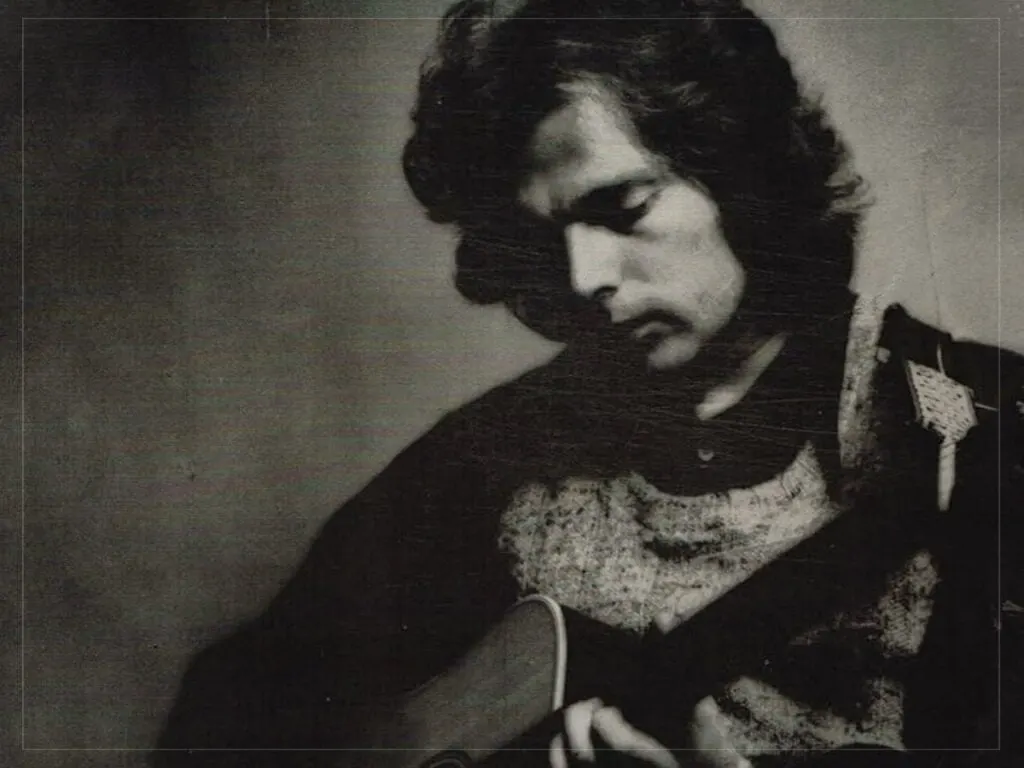
Van Morrison was living in the quiet New York town of Woodstock in 1969, drawn to its rural setting and the Americana and country music that increasingly shaped his songwriting. The nearby festival, held in Bethel, turned Woodstock into a tourist destination for hippies and music fans, disrupting the pastoral life Morrison had valued.
That experience is presented as part of the story behind *Tupelo Honey*, released in 1971 and first conceived as a country album. The record combines country with soul, R&B, folk rock and rock and roll; “Old Old Woodstock” captures an idealised rural scene that became harder to separate from the festival’s cultural image. Morrison had moved to Marin County by the album’s release.
- Woodstock festival crowds changed the town where Morrison lived.
- The disruption shaped the story behind *Tupelo Honey*.
- The 1971 album blended country with several other styles.
Both sides, in good faith
The strongest fair case each way — we don't pick a winner.
The case for
The festival’s sudden fame could reasonably be seen as a loss for residents who valued Woodstock’s quiet, rural character: crowds and tourism changed the place and made the landscape harder to experience as private, ordinary life. Morrison’s attachment to that setting helps explain why the festival’s cultural image might have felt at odds with the pastoral world he wanted to evoke in his songwriting.
The case against
The festival can also be seen as a brief, significant cultural event whose association with Woodstock brought music, visitors and wider recognition to the area, even though it was held in nearby Bethel. The change Morrison experienced was one resident’s perspective, while the festival’s legacy and the album’s blend of musical styles cannot be reduced to a simple story of a community being ruined.