Irish play revisits 18th-century German refugees’ struggle to settle in rural Ireland
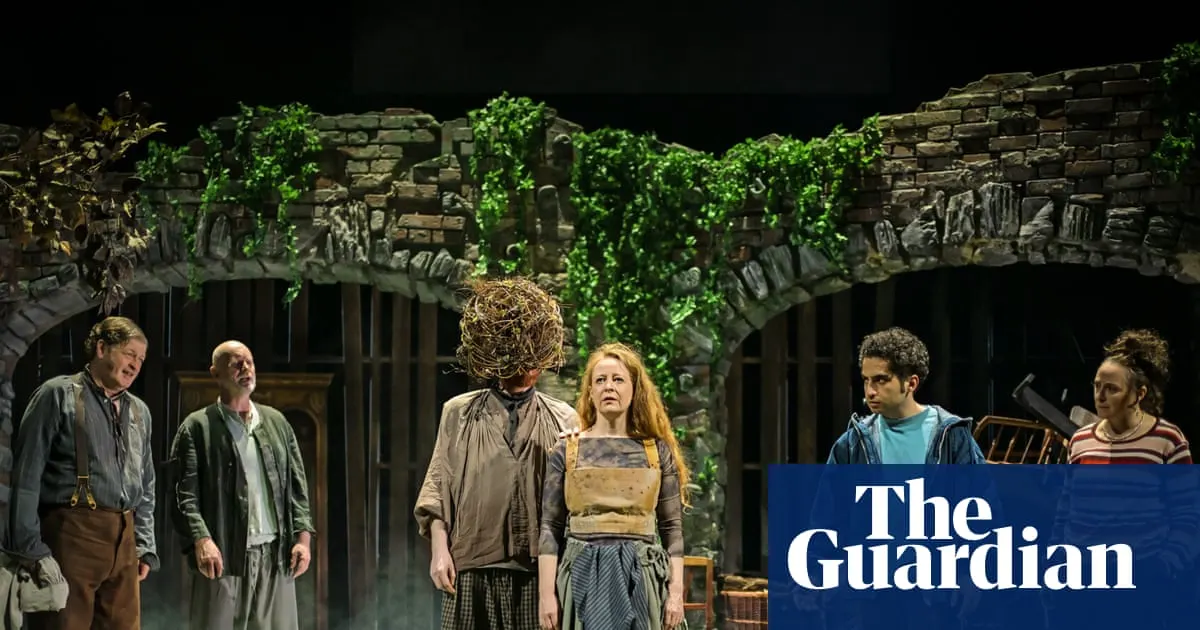
A new play revisits the 18th-century German refugees who settled in rural Ireland after fleeing persecution and hunger. Their experience of suspicion, exclusion and violence echoes present-day debates about how societies treat newcomers, while the story also explores the alliances and tensions between refugees and those with power.
Refuge, by Irish playwright Deirdre Kinahan, follows Hannah and Peter, a German couple farming near Limerick, and includes the story of a contemporary Afghan boy. More than 100 German families settled on the lands of English landlord Thomas Southwell; over 40 years, just seven recorded marriages were with people outside their community. In 1709, more than 13,000 Germans set out for England, far exceeding the number expected, and one in five died during the journey.
- A play brings Ireland’s overlooked German refugee history to the stage.
- More than 13,000 refugees set out in 1709; one in five died en route.
- The story connects past exclusion with current immigration debates.
Both sides, in good faith
The strongest fair case each way — we don't pick a winner.
The case for
The play’s comparison can help audiences see that newcomers’ experiences of suspicion, exclusion and violence have deep historical roots, and that refugees can build lives while forming complex relationships with local people and those in power. Connecting the German settlers’ story with that of an Afghan boy may encourage empathy and reflection on how communities treat people fleeing hardship today.
The case against
A thoughtful case for caution is that an artistic parallel across centuries can obscure important differences in the refugees’ circumstances, the societies they entered and the protections available to them. The settlers’ limited recorded marriages outside their community also suggests a more complicated picture than simple exclusion, so audiences may question whether the comparison illuminates present debates or risks flattening distinct histories.
Americas Celebrity Culture Entertainment Offbeat Weird & Viral World
Read the full article at the source →
Originally published by The Guardian as “‘How do we welcome the stranger, with humanity or anger?’ The forgotten Germans who found refuge in Ireland”.