Mamdani praised over move to dismantle controversial NYC industry — but insiders say there’s more to the story
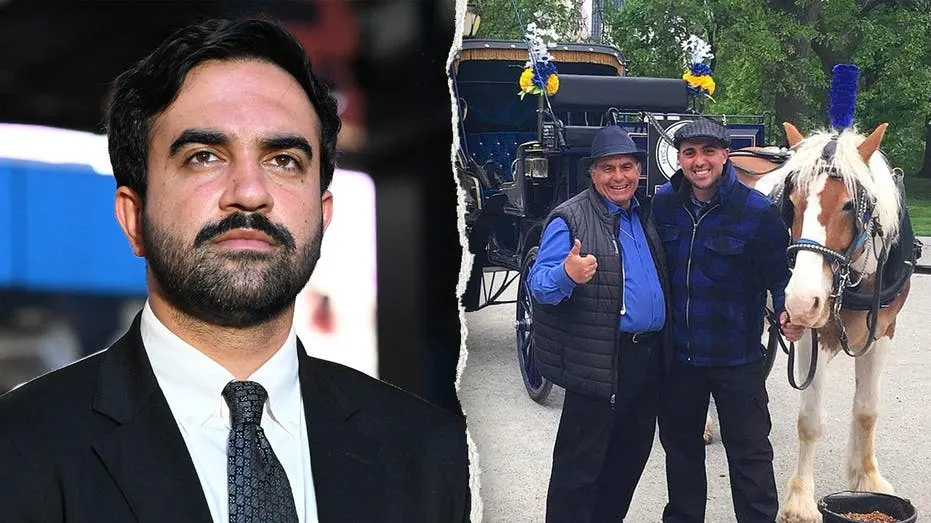
New York City Mayor Zohran Mamdani and City Council Speaker Julie Menin have agreed to phase out horse-drawn carriages, with a council vote expected next week on a ban starting in June 2028. The proposal, renamed “Romanch’s Law” after an 18-year-old died in a carriage-related fall, has drawn support from animal welfare advocates and renewed debate over public safety and the treatment of horses.
Carriage-industry representatives say the ban would threaten jobs, family livelihoods and a tradition they describe as 168 years old. Driver and business owner Frank Riccobono, who owns 12 horses and three carriages, says he paid nearly $400,000 for an operating medallion and would receive no reimbursement under the bill. Owners would be allowed to keep, sell or transfer their horses, subject to restrictions against slaughter, other carriage businesses and inhumane uses; the article says the roughly 200 drivers’ future remains uncertain.
- New York plans to ban horse-drawn carriages from June 2028.
- Drivers say the proposal threatens their livelihoods and investments.
- Owners could keep or transfer horses under restrictions.
Both sides, in good faith
The strongest fair case each way — we don't pick a winner.
The case for
Phasing out horse-drawn carriages could reduce risks to horses, passengers and the public in crowded city streets, and supporters may see the death that inspired the proposal as reason to reconsider whether the practice remains acceptable. A gradual end gives the industry time to adjust while reflecting a broader duty to protect animals from avoidable harm.
The case against
A ban could endanger the livelihoods of drivers and family businesses, including owners who invested heavily in licences and horses, without compensation for those investments. Opponents may also argue that a long-standing city tradition can continue with appropriate safeguards, and that the proposal leaves workers’ futures uncertain while restricting what owners can do with their horses.