Trump tries different approach with Russia to bring Americans relief amid ongoing war with Ukraine
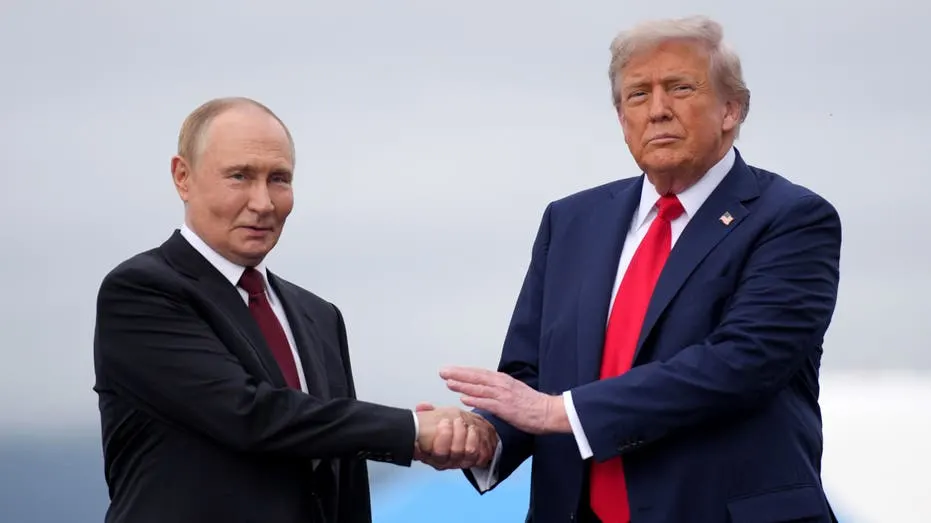
Donald Trump’s administration has temporarily eased restrictions on Russian diesel, hoping that increased fuel supplies and the prospect of better economic ties will encourage Vladimir Putin to pursue peace with Ukraine. The move has drawn bipartisan opposition in Congress, while analysts question whether it will lower prices significantly and Russia has shown few public signs of concessions.
Under the authorisation issued on 9 October, transactions involving Russian-origin diesel are allowed until 7 April 2027. Trump said Russia would supply more than 300,000 metric tonnes initially, followed by 500,000 tonnes in November and further shipments that could eventually total millions of tonnes. The dispute comes as Congress’s new sanctions law approaches its 18 October 2026 implementation deadline, and as Russia continues attacks on Ukrainian energy infrastructure despite Trump’s proposed ceasefire.
- Trump eased restrictions on Russian diesel to encourage a peace deal.
- The authorisation runs until 7 April 2027.
- Lawmakers and analysts question the move’s benefits and reciprocity.
New here? Start with this
Russia launched its full-scale invasion of Ukraine in 2022, and the war has continued despite repeated efforts to negotiate a ceasefire. The United States has imposed sanctions on Russia, including limits on trade, to put pressure on its government over the invasion.
Donald Trump is the US president, and Vladimir Putin is Russia’s president. The US decision to allow some transactions involving Russian diesel is part of an effort to increase fuel supplies and encourage Russia to pursue peace; Congress has also passed a new sanctions law, which is due to take effect on 18 October 2026.
The issue matters because fuel costs affect households and businesses, while sanctions are one way governments try to influence Russia’s actions. It is uncertain whether the diesel trade would have a noticeable effect on prices or change Russia’s approach to the war.
Both sides, in good faith
The strongest fair case each way — we don't pick a winner.
The case for
Temporarily allowing Russian diesel could increase fuel supplies and ease pressure on prices, offering practical relief to consumers while the war continues. Supporters may also see limited economic engagement as a way to create incentives for Moscow to negotiate, while keeping the measure time-limited and reversible.
The case against
Easing restrictions risks weakening sanctions and giving Russia revenue without securing meaningful concessions, especially while its attacks continue. Critics can argue that the promised shipments may have little effect on prices, so the policy could sacrifice pressure on Moscow without delivering substantial relief or progress towards peace.