Would David Bowie hate his cultural resurgence?
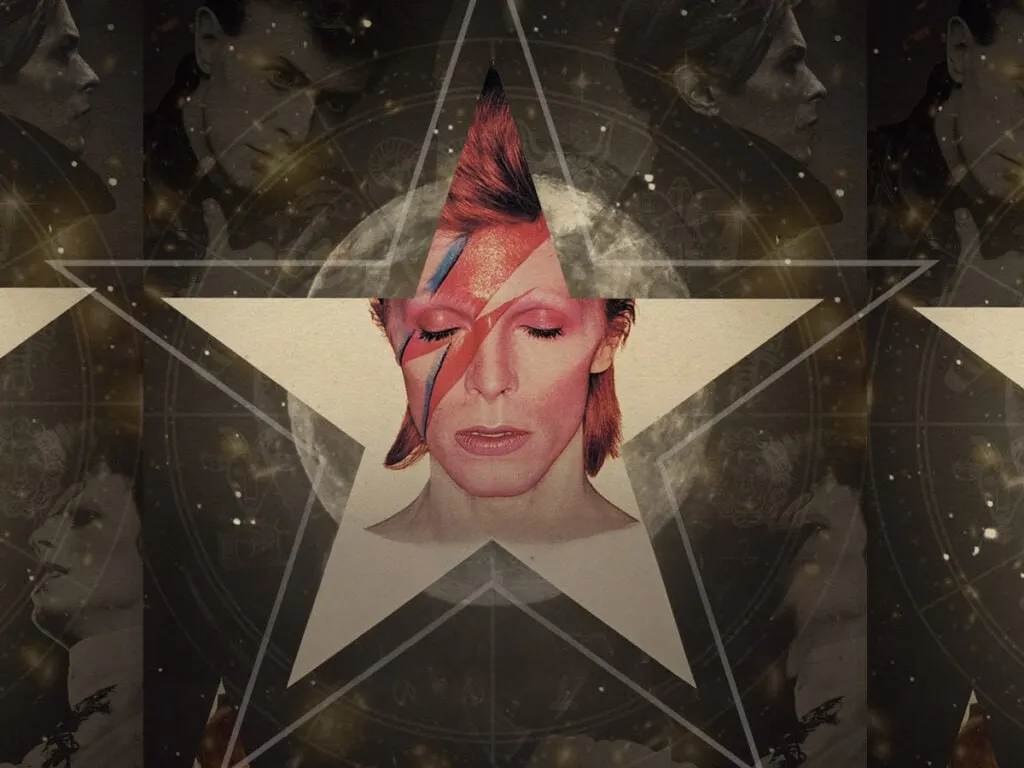
David Bowie’s estate is planning a broad programme of events for 2027, when he would have turned 80, bringing his work back into public view through exhibitions, concerts, installations and merchandise. The article argues that this renewed attention may sit uneasily with Bowie’s preference for privacy in his final years and his dislike of the consumerism surrounding fame.
Bowie released *The Next Day* in 2013 and *Blackstar* in 2016, but kept a low profile after being diagnosed with cancer about 18 months before his death. The article frames the 2027 celebrations as part of a wider shift towards making an artist’s legacy tangible and publicly accessible after death, while questioning whether this approach reflects Bowie’s own wishes.
- Bowie’s estate is planning a wide-ranging 80th birthday programme for 2027.
- The events will include exhibitions, concerts, installations and merchandise.
- The article questions whether the renewed exposure fits Bowie’s preference for privacy.
Both sides, in good faith
The strongest fair case each way — we don't pick a winner.
The case for
A public programme can introduce Bowie’s work to new audiences and give existing fans meaningful ways to engage with it through performances, exhibitions and installations. Since his death, his estate has a responsibility to preserve and interpret his legacy, and carefully curated events can honour his artistic influence without claiming to know exactly what he would have wanted.
The case against
Bowie chose privacy during his final years and was wary of the consumerism surrounding fame, so a broad campaign built partly around merchandise may sit uneasily with those choices. Turning his legacy into a large public programme risks making his absence and private wishes secondary to commercial reach, particularly when he can no longer speak for himself.