Abdul El-Sayed invokes JFK to dismiss ‘crazy’ questions over family’s alleged ties to Muslim Brotherhood
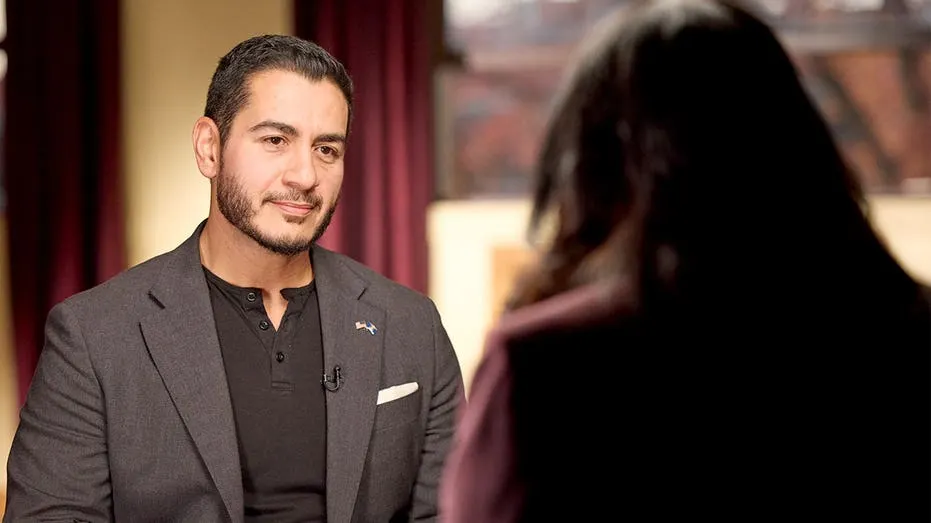
Michigan Democratic Senate candidate Abdul El-Sayed cited John F. Kennedy’s experience with questions about his Catholic faith to reject scrutiny over alleged Muslim Brotherhood ties in his family. He said such questions insinuate divided loyalties and argued that his commitment to constitutional rights is clear.
The article reports that El-Sayed’s half-sister posted in 2012 about their mother’s activism in the Muslim Brotherhood in Egypt in the early 1970s, and later described the family as having a long history with the group. El-Sayed has denied personal connections and said he was not raised by his mother. Michigan Republican Party communications director Ted Goodman called the Kennedy comparison a false equivalence and pointed to reports about El-Sayed’s father-in-law and a $200,000 contribution to a super PAC supporting him.
- El-Sayed compared scrutiny of his family to questions about JFK’s Catholic faith.
- His half-sister’s posts described their mother’s past activism in Egypt.
- El-Sayed denies personal ties; a Michigan Republican official disputes his comparison.
New here? Start with this
Abdul El-Sayed is a Democratic politician running for the US Senate in Michigan. The Muslim Brotherhood is an Islamist movement founded in Egypt in 1928; its role and status vary across countries, and discussion of links to it can carry political weight.
The questions concern claims about El-Sayed’s family, including social media posts by his half-sister about their mother’s past activism in Egypt. El-Sayed has said he has no personal connection to the group and was not raised by his mother.
John F. Kennedy, a Catholic, addressed concerns during his 1960 presidential campaign that his faith might affect his decisions in office. The comparison matters because the debate touches on how voters assess a candidate’s independence, family associations and commitment to constitutional rights.
Both sides, in good faith
The strongest fair case each way — we don't pick a winner.
The case for
El-Sayed’s strongest case is that questions about relatives’ alleged affiliations can imply that his own loyalties are suspect, despite his denial of personal ties and his stated commitment to constitutional rights. He can argue that, as with scrutiny of Kennedy’s Catholicism, candidates should be judged by their own record rather than treated as answerable for family members’ beliefs or activities.
The case against
Critics can argue that voters may reasonably examine relevant family connections and political funding when assessing a candidate’s judgement, associations and transparency. They can also say the Kennedy comparison does not resolve the specific claims reported about El-Sayed’s family or the super PAC contribution, and that raising those matters is not inherently an accusation of divided loyalty.