The director who called Quentin Tarantino the Kurt Cobain of cinema: “An unprecedented splash”
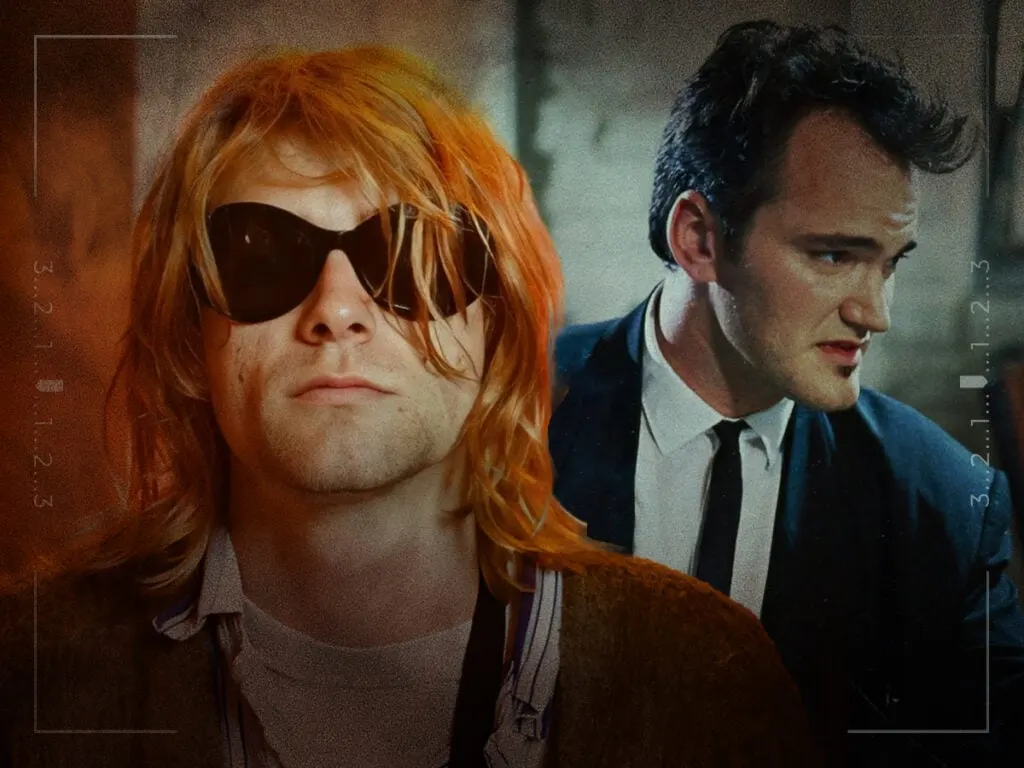
Filmmaker Michael Steinberg compared Quentin Tarantino’s impact on cinema with Kurt Cobain’s influence on rock, saying Tarantino made an “almost unprecedented splash” with his first two films. The article argues that the comparison overstates Tarantino’s cultural impact, while acknowledging that his early work reshaped independent filmmaking and inspired imitators.
Steinberg made the remark in 1996, during the gap between *Pulp Fiction* and *Jackie Brown*, having met Tarantino at Sundance in 1992. He had also cast Tarantino in his 1994 film *Sleep with Me*. The article contrasts the reach of *Reservoir Dogs* and *Pulp Fiction* with Nirvana’s influence, and says neither film transformed Hollywood as profoundly as *Citizen Kane*, *Jaws*, *Star Wars*, *Toy Story* or *The Matrix*.
- Michael Steinberg likened Tarantino’s early impact to Kurt Cobain’s.
- He praised the “almost unprecedented splash” of Tarantino’s first two films.
- The article says the comparison exaggerates their cultural reach.
New here? Start with this
Quentin Tarantino is an American filmmaker whose first two features, Reservoir Dogs and Pulp Fiction, arrived in the 1990s. They stood out for their sharp dialogue, fractured timelines and independent production, and helped bring attention to a new wave of low-budget filmmaking.
Michael Steinberg, a filmmaker who met Tarantino at the Sundance Film Festival and later cast him in Sleep with Me, compared Tarantino’s early influence with that of Nirvana singer Kurt Cobain in rock music. The comparison reflects how quickly Tarantino became a prominent figure, though the scale and lasting reach of his influence are matters of interpretation.
The debate matters because a film-maker’s influence can mean changing how films are made, inspiring other directors or reaching a broad audience. Tarantino’s early films shaped independent cinema and attracted imitators, while comparisons with landmark films such as Citizen Kane or Star Wars raise a wider question about what counts as a lasting transformation of Hollywood.
Both sides, in good faith
The strongest fair case each way — we don't pick a winner.
The case for
Tarantino’s first two films made a striking impact in a short time, bringing independent cinema into wider view and influencing how other filmmakers used dialogue, violence and nonlinear storytelling. Steinberg’s comparison can be understood as describing the suddenness and reach of that breakthrough, rather than claiming Tarantino changed cinema in precisely the same way Nirvana changed rock.
The case against
The comparison may overstate Tarantino’s broader cultural influence: Nirvana’s impact reached well beyond music and helped define a generation, while the article argues that Tarantino’s films did not transform Hollywood on the scale of landmark works such as Jaws or Star Wars. His early influence was real, but calling it unprecedented risks conflating a major independent-film breakthrough with a deeper industry-wide shift.