‘Not in our DNA’ – will 3v3 change the future of English football?
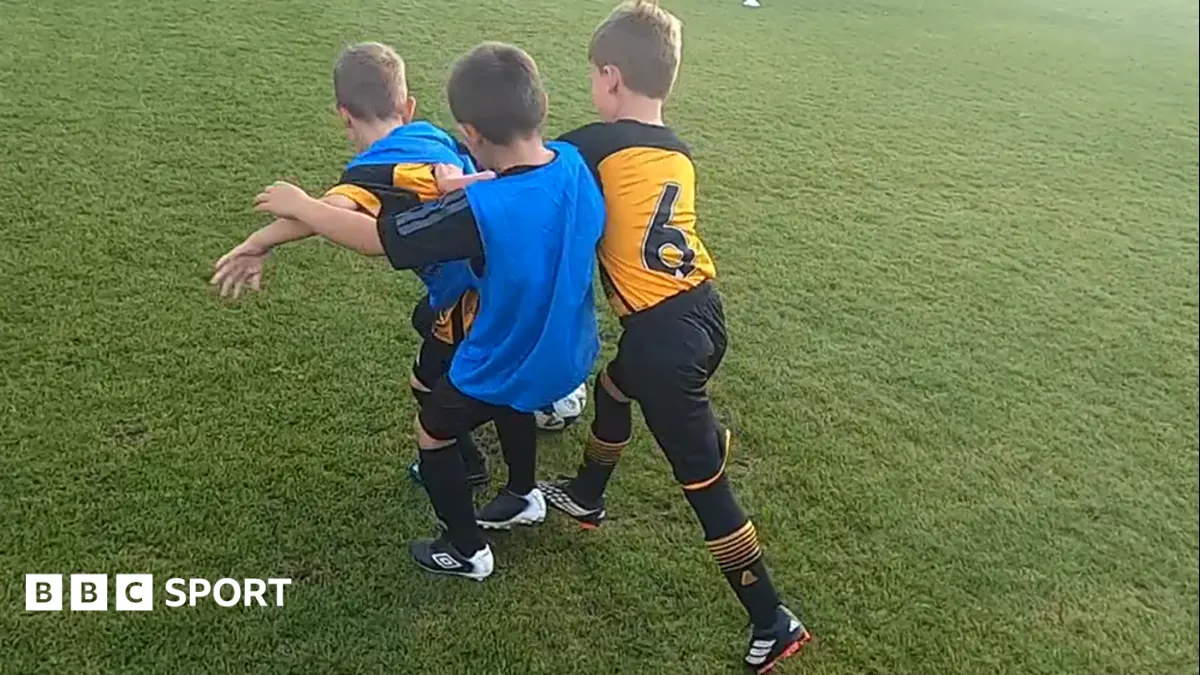
The FA has introduced 3v3 football for children under seven, replacing the previous 5v5 format, in a change intended to give each child more involvement. The move matters because the FA hopes more time on the ball will help develop players’ confidence and skills, potentially influencing the style of English football in future.
The format has no goalkeepers or referees, so all six children are active and matches are self-officiated. The FA’s decision followed two years of research with Liverpool John Moores University, analysing more than 400 youth matches. Some coaches say the change encourages touches, decisions and enjoyment, while others cite practical pressures and worry that stronger players may dominate.
- Under-sevens have moved from 5v5 to 3v3.
- The FA aims to increase touches and involvement.
- Coaches see benefits but raise concerns about delivery.
Both sides, in good faith
The strongest fair case each way — we don't pick a winner.
The case for
The FA’s research suggests 3v3 gives each child more chances to touch the ball, make decisions and build confidence, while keeping all players involved without goalkeepers. Supporters see an enjoyable, less crowded introduction to football that could help develop skilful, adaptable players over time.
The case against
A smaller-sided game may increase involvement in principle, but coaches worry that stronger children can still dominate and that the format brings practical pressures for teams and organisers. They may also question whether early changes to match structure will meaningfully shape the future style of English football, given how much development depends on later coaching and competition.