Alberta heads to polls to decide whether to hold vote on separation from Canada
Developing story first seen 7 hours ago
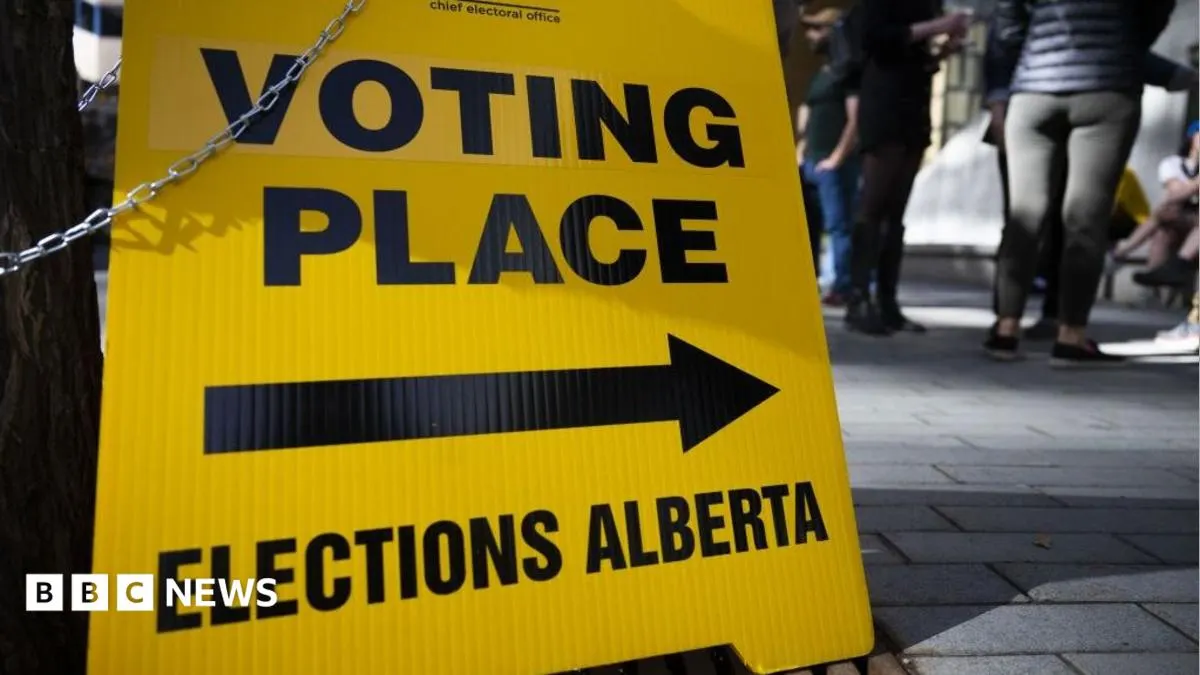
Albertans are voting on whether the provincial government should begin the legal process for a later binding referendum on separation from Canada. The ballot does not decide independence itself; it tests support for taking that next step, amid disagreements over Alberta’s autonomy and the future of the country.
Supporters say federal environmental policies have held back Alberta’s oil and gas economy and that the province should keep more of its wealth. Opponents warn that separation could leave Alberta with billions of dollars in debt and drive away jobs and investment. A pro-separation petition gathered about 300,000 signatures, while an opposing petition drew more than 400,000; the province has about five million people. A court blocked the pro-separation petition over a lack of consultation with affected First Nations, and a binding referendum could take place as soon as 2027 if voters back proceeding.
- Alberta is voting on whether to pursue a binding separation referendum.
- A later referendum could happen as soon as 2027.
- Both sides cite economic risks and Alberta’s voice in Canada.
Both sides, in good faith
The strongest fair case each way — we don't pick a winner.
The case for
Supporters argue that Alberta should have greater control over decisions affecting its economy and resources, particularly where federal environmental policies may constrain its oil and gas sector. They see a vote on beginning the legal process as a legitimate way to test public support and press for more autonomy, while leaving the final decision to a later binding referendum.
The case against
Opponents argue that pursuing separation could bring substantial economic uncertainty, including provincial debt, lost investment and jobs, while weakening Alberta’s ties to the rest of Canada. They also point to the court’s finding that the petition process lacked consultation with affected First Nations, and argue that any decision with such far-reaching consequences should address those rights and risks before moving ahead.