Amanda Bland’s departure leaves Scottish Labour ahead of Reform in Holyrood
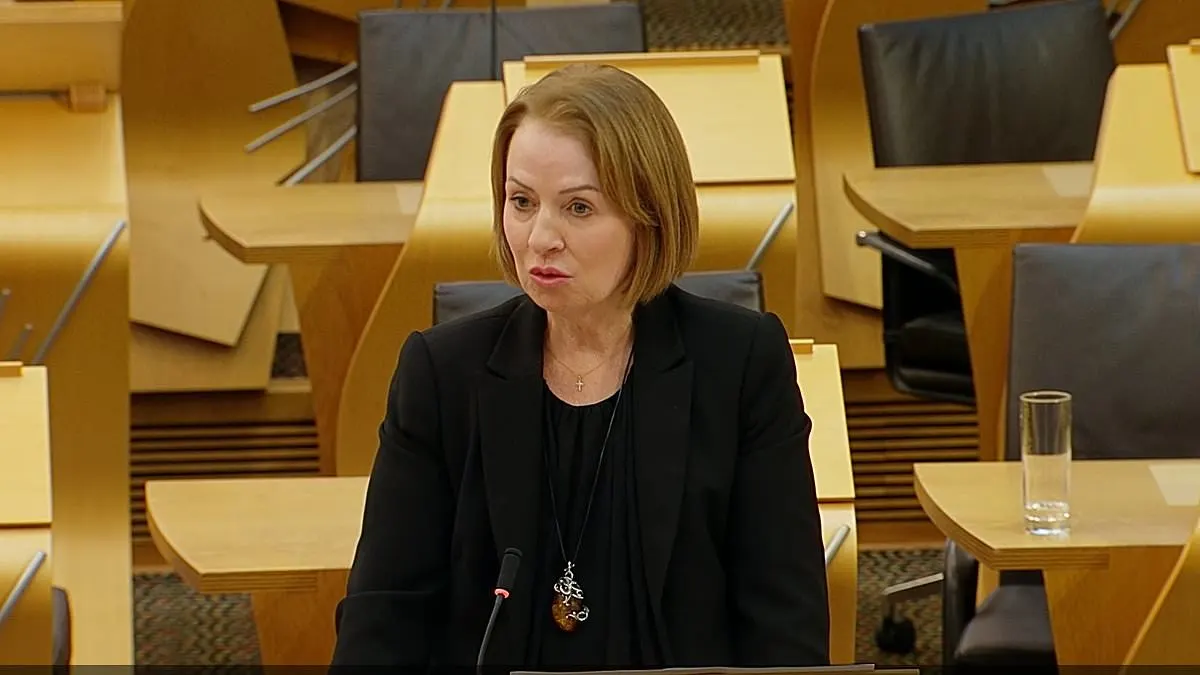
Amanda Bland has resigned the Reform UK whip and will sit as an independent MSP, leaving Reform with fewer seats than Scottish Labour in the Scottish Parliament. Labour and Reform each won 17 seats in May, but Bland’s departure makes Labour the second-largest party and could affect Reform’s role in questioning First Minister John Swinney.
Reform said Bland should resign her regional seat for Central Scotland and Lothians West so the next candidate on its list can represent the constituents. The change may cost Reform the right to ask the second question at First Minister’s Questions every other week. Scottish Labour deputy leader Jackie Baillie criticised Reform’s record, while the Parliament said the parliamentary bureau would be notified of the impact.
- Amanda Bland has left Reform to sit as an independent.
- Labour is now the second-largest party at Holyrood.
- Reform’s questioning role at First Minister’s Questions may change.
New here? Start with this
Holyrood is the Scottish Parliament, where MSPs debate laws and question the Scottish Government. Members are elected either for local constituencies or from regional party lists, which help determine how many seats each party holds.
Amanda Bland was elected as a Reform UK MSP from a regional list. By resigning the party whip, she remains an MSP but sits as an independent, reducing Reform’s seats while leaving Scottish Labour with more. Reform says she should give up her seat so another candidate on its list can take it.
The number of MSPs each party has can affect how parliamentary business is arranged, including who gets to ask questions at First Minister’s Questions. That gives the change significance for Reform’s place in debates and scrutiny of First Minister John Swinney.
Both sides, in good faith
The strongest fair case each way — we don't pick a winner.
The case for
Reform can argue that Bland was elected on its party list, so resigning her seat would let the next Reform candidate take up the representation voters expected. It can also say that party size affects parliamentary scrutiny and that losing the right to ask the second question weakens its ability to challenge the First Minister on behalf of its supporters.
The case against
Bland can argue that she remains accountable to the constituents who elected her and may best serve them as an independent if she no longer supports Reform’s direction. Labour and other critics can argue that an MSP’s parliamentary role should reflect her current judgement, while the bureau should apply the rules to the changed balance of seats rather than preserve Reform’s former position.
Art Culture Government Politics World
Read the full article at the source →
Originally published by Daily Mail as “Reform no longer second-biggest party in Scottish Parliament after MSP quits”.